Best Offlaners for Beginners
Eight durable, simple offlane heroes for the hardest lane in Dota 2, with what each one survives, what it initiates with and when it stops being useful.
· Patch 7.41
This page was checked against patch 7.41 and the current patch is 7.41f. The explanation still holds, but any number on it may have moved.
The offlane is the hardest lane in Dota, which means the right hero for a beginner is a durable one with an ability that works without any setup. All eight below are rated complexity one, all play position three, and all of them survive being outnumbered for ten minutes and then contribute to a fight without needing a specific item first. The offlane guide covers the job; this list is who to learn it on.
- The job is not to win the lane; it is to take the enemy's attention away from their carry.
- Your first offlaner should be durable rather than clever.
- One ability that starts a fight is worth more than three that improve one.
- Camps behind the lane are experience when the wave is not reachable.
- None of these heroes is ranked above another here.
How this list was chosen
Three filters. The hero is rated complexity one by the game. It plays the Offlane as a position-three core. And it has a way to be useful in a fight that does not depend on an item arriving first.
| Complexity | Heroes | Examples |
|---|---|---|
| Simple | 55 | Abaddon, Alchemist, Anti-Mage, Axe |
| Moderate | 59 | Ancient Apparition, Bane, Batrider, Beastmaster |
| Complex | 13 | Arc Warden, Brewmaster, Chen, Earth Spirit |
Valve's own complexity rating across the roster.
There is no ordering here and no claim about the current patch, for the reasons the tier list guide sets out. The hero comparison tool is the way to weigh two of these against each other for a particular matchup.
What the position asks of you
The Offlaner plays the lane the enemy carry is farming, usually outnumbered, and the measure of success is not last hits. Lanes and positions explains the geometry and the positions guide the five jobs.
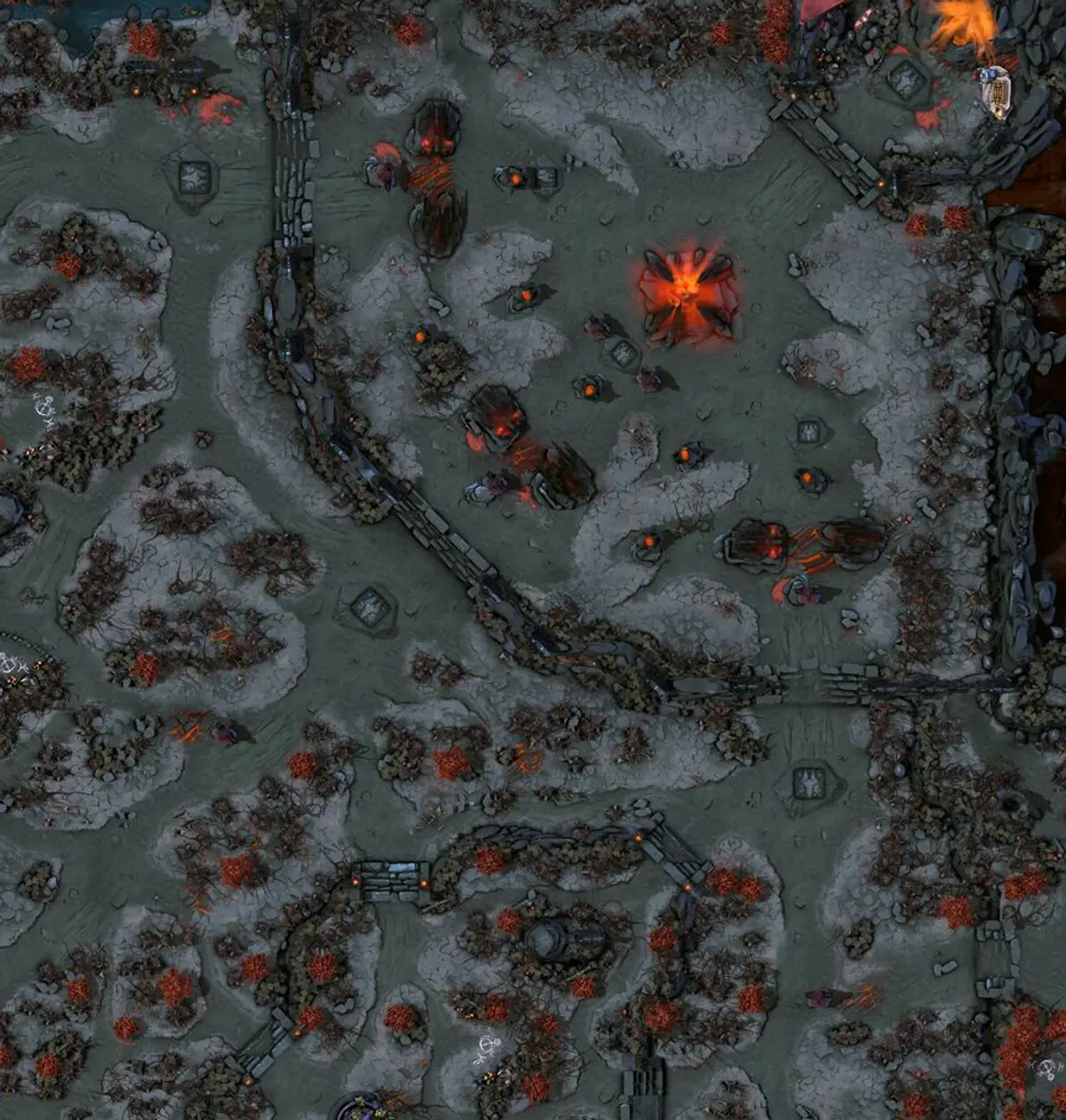
Three things matter. Take experience, whether from the wave or from the camps that Neutral camps, stacking and pulling describes. Deny the enemy carry a comfortable lane by threatening a Trade they have to answer. And create Space, which is the word for the enemy attention that is on you rather than on your own carry.
Axe
The simplest and most effective beginner offlaner in the game. Berserker's Call forces every enemy nearby to attack him for its duration, which is a stun, an initiation and a save all at once.
 Axe also has Counter Helix, which deals damage every time he is attacked, so the call and the passive feed each other. That combination is unusually honest for a beginner hero: the thing that makes him strong in lane is exactly the thing that makes him strong in a fight at minute thirty. His build is straightforward: survivability, then a
 Blink Dagger so the call reaches whoever you want. Culling Blade is a reliable way to finish a hero and refresh the team.
Bristleback
Damage from the back, and a hero that becomes harder to kill the longer a fight goes on. Bristleback reduces damage taken from behind, Quill Spray grows with every cast, and Viscous Nasal Goo slows and strips armor.
 Bristleback teaches the value of EHP rather than health, because his reduction only works in one direction and you can feel the difference. He is also one of the few heroes where retreating correctly is a damage-dealing action, which is a strange and useful thing to have learned early. Armor and physical damage explains the arithmetic and the damage calculator shows it for a specific pair of numbers.
Centaur Warrunner
Durability with a stun attached. Hoof Stomp is an area stun that needs no aiming, Retaliate punishes attackers, and Stampede moves the whole team across the map.
 Centaur Warrunner is forgiving because both of his important abilities are area effects. There is no aim to miss and no target to click, so the only thing left to learn is when to press them, which is the skill that actually matters. Stun explains what a stun does and does not stop, and a Blink Dagger is the item that turns the stomp into an initiation.
Tidehunter
The most decisive ultimate on this list. Kraken Shell removes debuffs and blocks damage, Anchor Smash reduces the damage of everything around him, and Ravage stuns an entire team.
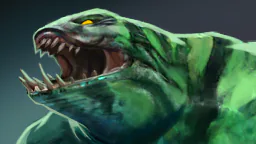
 Tidehunter teaches patience, because the ultimate is worth holding and the temptation to spend it is constant. Most beginner Tidehunters cast it on one hero in the river at minute twelve; most good ones cast it twice in a match and win both fights. The team fight guide covers when to use it. A Blink Dagger makes it land where you want; a
 Black King Bar makes sure you survive long enough to press it.
Dawnbreaker
A melee hero with sustain built into her attacks and a global save. Starbreaker is a spinning attack that carries her forward, Luminosity heals her and nearby allies, and Solar Guardian lets her arrive anywhere on the map.
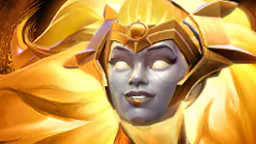
 Dawnbreaker is unusual on this list because her ultimate teaches map awareness directly: it is only worth casting if you were watching the other lanes. That habit transfers to every position.
She is also durable in a way that does not show in her stat line, because the healing is tied to attacking rather than to a cooldown. A Dawnbreaker who keeps swinging is far harder to kill than one who retreats, which is the opposite of the instinct most beginners bring.
Mars
Control of a small area, which is most of what a fight is. Spear of Mars pins a hero to a tree or a wall, Bulwark blocks damage from in front, and Arena Of Blood builds a wall nobody can walk out of.
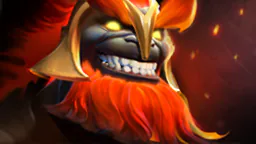
 Mars is the best teacher of Lockdown on this list, because the arena makes the idea physical. You can see which heroes are trapped and which are not, and the decision about where to place it is the same decision every initiator makes with less visible tools. He also punishes a Dive better than anything else here, since the wall separates the diver from their friends.
Undying
A support-flavoured offlaner that makes a lane unpleasant without needing levels. Decay steals strength on every cast, Soul Rip heals or damages depending on what is nearby, and Tombstone is a building the enemy has to destroy.
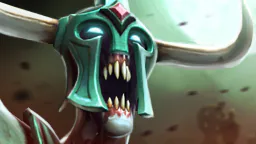
 Undying is the most forgiving hero here in the first three levels, which matters because that is when most offlanes are decided. A hero that wins the first two minutes buys itself the rest of the lane, because the enemy support spends the following ten minutes respecting a threat that has already been demonstrated. He is also playable as a support, which makes him efficient for a small pool. Creeps and creep equilibrium explains the wave behavior his tombstone exploits.
Abaddon
Durable, sustaining, and almost impossible to kill through. Aphotic Shield absorbs damage and removes debuffs from an ally, Curse of Avernus slows whatever he attacks, and Borrowed Time turns incoming damage into healing.
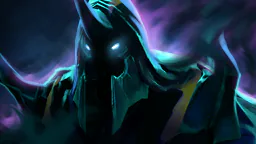
 Abaddon teaches the offlane habit that transfers furthest: your durability is a resource you spend on other people. The shield on somebody else is nearly always worth more than the shield on yourself, and learning to think that way early makes every support hero you later play easier. He is also comfortable in either support position, which makes him a useful Comfort pick when the draft goes badly.
Two to leave until later
A  Dark Seer and a
 Magnus are both excellent offlaners and both poor first ones. Each has an ultimate that needs an ally positioned correctly and a wall or a pull aimed precisely, and neither does much when the timing is wrong.
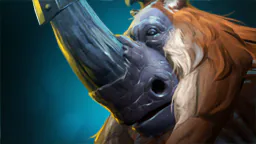
Both are worth learning later, and the hardest heroes guide covers the far end of that scale. Hero complexity and roles explains what the complexity rating measures.
Surviving the lane you cannot win
Most beginner offlanes go badly, and the difference between a bad lane and a lost match is what you do in the ten minutes after it goes wrong.

Start by giving up the wave rather than your levels. Stand at the edge of the experience range, take the camps behind you between waves, and come back for the last hits you can safely reach. A  Tango and a
 Magic Wand buy you several extra minutes of this, and a
 Town Portal Scroll means a gank on another lane is an opportunity rather than a disaster.
Watch for Tower aggro when you do step forward, because a tower shot is often the whole cost of a trade that looked free. And when the lane is genuinely lost, say so once and move: a Lane dominance you cannot contest is a fact, and the answer is to Zone somewhere else on the map rather than to keep feeding it.
Item-wise, the durable heroes here want survivability before damage. A  Vanguard, a
 Crimson Guard or a
 Pipe of Insight depending on what is hurting you, and a
 Blade Mail against a team that focuses you first. The Initiator heroes want the dagger before any of that.
The two ways an offlaner contributes
Once the lane is over, offlaners split into two families and it is worth knowing which one you picked. The first family starts fights. The second family survives them.
The starters — Axe, Centaur Warrunner, Tidehunter and Mars — decide where and when a fight happens. Their whole job is arriving at the right second with an ability up. That means a Blink Dagger early and a Black King Bar soon after, so the fight they chose does not end with them stunned before they cast.
The survivors — Bristleback, Dawnbreaker, Undying and Abaddon — do not choose the fight; they make it last long enough for somebody else to win it. Their items answer whatever is doing the damage, and their positioning is about standing between the enemy and your own cores rather than about reaching a specific target.
Both families lose matches the same way, by being used as a carry. An offlaner who spends minute twenty-five farming a jungle camp is not doing either job, and the enemy carry has a quiet map as a result.
Practice this
- Pick one hero from this list and play twenty matches before adding a second.
- Measure a lane by your level at minute ten rather than by your last hits.
- Take the camp behind your lane between every two waves for a full match.
- Buy a Blink Dagger on an initiator and count how many of your stuns reached more than one hero.
- Count the minutes where two enemy heroes were watching you instead of farming.
- Say once, out loud in chat, when the lane is lost, and then go somewhere useful.
Next reads
- How to play offlane — the full job, lane to initiation.
- The laning phase — trading, equilibrium and creep aggro.
- Team fighting — what to do with the ability you survived the lane to use.
- Best supports for beginners — the player who decides whether your lane is survivable.
- Best mid heroes for beginners — if the solo lane appeals more.
- Positions 1 to 5 explained — where position three sits among the five.
Heroes this affects


Items this affects
Common questions
Why is the offlane called the hard lane?
Because you are usually alone or outnumbered against the enemy carry and their support, on the side of the map where their tower and their pull camps are. Surviving it with levels is a win; taking the lane outright is a bonus.
Should I buy a Blink Dagger on every offlaner?
On the initiators, yes, as soon as you can afford it. On the durable heroes that fight by standing in front of people, it is optional and often bought later. The question is whether your ability needs to reach a specific hero at a specific second.
What if the enemy support zones me out completely?
Take the camps behind your lane and keep the experience coming. A level-six offlaner who never touched a creep is more useful than a level-three one who died three times trying to reach the wave.
Do I need to win the lane to be useful?
No. The job is to take attention and resources away from the enemy carry. A lane where you survive, gain levels and keep two heroes busy is a successful offlane even if you end it with fewer last hits.
Which one should I learn first?
Axe. His job is to stand in front of people and press one button, he punishes the melee cores you will meet constantly, and he is useful in a fight at every level from three onwards.
Patch 7.41Checked on Sep 23, 2026