Choosing Your First Dota 2 Hero
Twelve complexity-1 Dota 2 heroes for beginners across all five positions, with what each one teaches, the abilities that carry it, and how to learn it.
· Patch 7.41
This page was checked against patch 7.41 and the current patch is 7.41f. The explanation still holds, but any number on it may have moved.
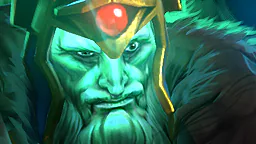
Your first hero should be a complexity-1 hero with a job you can describe in one sentence, played in the same position for at least ten matches. The twelve heroes below cover every position: three carries, two mid heroes, three offlaners, two soft supports and two hard supports. Each entry says what the hero teaches, which abilities carry it, and what to buy. The picks come from the hero data on this site, filtered to complexity 1 and to heroes whose viable positions are settled in patch 7.41.
- Pick by position first, then by hero. Position 5 and position 1 are the easiest places to learn the game.
- Every hero here has at most one skill shot and at most one ability that needs timing.
- Play ten matches on one hero before you change. The data below shows why each one rewards that.
- Save complexity-3 heroes such as Invoker, Meepo and Io for later; they punish the mistakes you are still making.
How to read the list
Each hero on this site has a complexity rating from Valve, an attribute, and a set of role bars. The bars show how much of a carry, support, nuker, disabler, durable hero, escape hero, pusher or Initiator it is. Complexity is difficulty, not power. A complexity-1 hero can win any match, and most players in high ranks still play them. Hero complexity and roles explains the scale and the difference between Valve's roles and the community's positions.
| Complexity | Heroes | Examples |
|---|---|---|
| Simple | 55 | Abaddon, Alchemist, Anti-Mage, Axe |
| Moderate | 59 | Ancient Apparition, Bane, Batrider, Beastmaster |
| Complex | 13 | Arc Warden, Brewmaster, Chen, Earth Spirit |
Valve's own complexity rating across the roster.
The twelve heroes below are shown with a card each. The hero page for each one carries the full ability list, the innate ability, the talent tree, the builds and the counters. The table below is the same twelve, rendered from data so it stays current when a hero's positions change.
| Hero | Attribute | Attack | Positions | Complexity | Why this hero |
|---|---|---|---|---|---|
 Wraith King | strength | Melee | 1 | 1 | A point-click stun, a passive critical strike and a second life. No skill shot to miss, so the whole hero is item timing and patience. |
 Juggernaut | agility | Melee | 1 | 1 | Blade Fury is an escape and a lane weapon at once, Healing Ward sustains the lane, and Omnislash is the one decision the hero asks you to make. |
 Drow Ranger | agility | Ranged | 1 | 1 | A ranged carry whose damage comes from a passive, so last hitting and standing far back are the only two habits to learn. |
 Zeus | intelligence | Ranged | 2 | 1 | Every ability is point-click or global. He teaches mana management and when a nuke actually kills, without asking for any aim. |
 Dragon Knight | strength | Melee | 2 | 1 | A stun, a passive that makes the lane safe and an ultimate that turns him into a tower-killer. The most forgiving mid lane in the game. |
 Axe | strength | Melee | 3 | 1 | One button that forces the fight, one passive that does the damage, and an execute. Teaches initiation with almost no mechanics. |
 Bristleback | strength | Melee | 3 | 1 | He wins the lane by walking backwards. The hero teaches when a fight is winnable on health alone and what armour does. |
 Centaur Warrunner | strength | Melee | 3 | 1 | A point-click stun, a passive that punishes attackers and a team-wide speed ultimate. Survives every beginner mistake in the lane. |
 Ogre Magi | strength | Melee | 4 | 1 | A point-click stun with enormous health for a support. Teaches rotations and warding without punishing a slow reaction. |
 Vengeful Spirit | agility | Ranged | 4 | 1 | A stun, an armour aura and a swap that saves an ally. Teaches the two jobs of a support in one hero. |
 Crystal Maiden | intelligence | Ranged | 5 | 1 | The clearest hard support in the game: a slow, a root, a mana aura for the whole team and a channelled ultimate that ends fights. |
 Lich | intelligence | Ranged | 5 | 1 | A shield on an ally, a nuke that bounces and a sacrifice that denies the enemy a creep. Teaches lane control from behind the wave. |
Twelve heroes for a first hundred matches (12 rows).
Carries
A Carry farms the safe lane, buys the items that make its attacks strong, and wins the late game. The best beginner carries have a passive that adds damage on its own and one ability that keeps them alive. The carry guide covers the position; these three heroes are where to start.
Wraith King teaches item timing and patience. Wraithfire Blast is a point-click stun, Mortal Strike makes his attacks hit hard without any input, and Reincarnation gives you a second life in every fight once you have the mana for it. There is no skill shot to miss. Buy  Quelling Blade for last hits,
 Power Treads for attack speed, and then follow the builds page. His weakness is that every enemy knows to kill him twice, so learn to fight near allies.
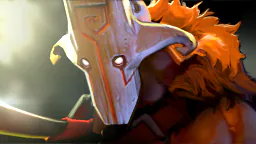
Juggernaut teaches when to commit. Blade Fury makes you immune to most spells while it spins and deals damage around you, so it is both an escape and a lane weapon. Healing Ward heals the whole lane, which supports love. Omnislash is the one decision: use it on a lone hero and you get a kill, use it into a full team and you die when it ends. Melee and fast, he is the carry to pick when the enemy has many stuns.
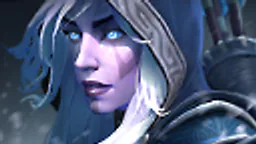
Drow Ranger teaches positioning for ranged heroes. Frost Arrows slows on every attack, Gust silences and pushes enemies away when they get close, and Marksmanship adds a great deal of damage as long as no enemy hero stands next to her. That last rule is the lesson: stand at the back, and the hero does the rest. She is the only ranged carry on this list because her range is normal, so she cannot skip learning where to stand the way Sniper can.
Mid
The Mid / midlaner hero plays alone against one enemy, contests the runes and reaches level 6 first. It is the hardest lane to learn because nobody is there to help you, so both heroes below survive the lane on their own. The mid guide covers the rest.
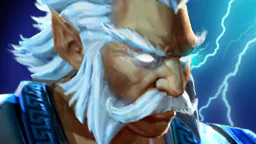
Zeus teaches spell timing and mana. Arc Lightning bounces between creeps and heroes, so last hitting is easy. Lightning Bolt is a point-click nuke that also gives vision, and Thundergod's Wrath hits every enemy hero on the map, so you take part in fights you are not even in. The lesson is that spells cost mana, and a Zeus with an empty mana bar is a creep. He dies fast when caught, and learning not to get caught is a skill every mid needs.
Dragon Knight teaches tower pushing. Dragon Tail is a point-click stun, Dragon Blood gives armor and regeneration so the lane cannot kill you, and Elder Dragon Form turns you into a ranged dragon whose attacks damage buildings quickly. When you reach level 6, take the enemy tier 1 tower with your creep wave. That is a plan a new player can follow, and it wins matches by itself in low ranks.
Offlane
The Offlaner plays the long lane against the enemy carry and its support, survives on little gold, and starts fights later. The three heroes below are hard to kill and have one ability that turns a fight. The offlane guide explains the position.
Axe teaches initiation. Berserker's Call taunts every enemy around you into attacking you, Counter Helix damages them for it, and Culling Blade kills any hero whose health is below its threshold, with no way to stop it except Debuff Immunity. Buy  Blink Dagger as soon as you can and the whole game becomes "blink, call, spin". The lesson is that the initiator chooses when fights happen.
Bristleback teaches trading in lane. Quill Spray is a cheap area nuke that stacks on repeat casts, Viscous Nasal Goo slows and strips armor, and the passive Bristleback reduces damage taken from behind and to the side. Turn your back when you run, cast Quill Spray constantly, and the lane becomes yours. He is the hero to pick when you keep dying in the offlane, because he is very hard to kill.
Centaur Warrunner teaches when to go in. Hoof Stomp stuns everything around you, Double Edge is a nuke that costs some of your own health, and Stampede gives the whole team a burst of speed so everyone can chase or escape together. The lesson is Stampede itself: a team-wide ability that only helps if you cast it at the right moment. With a Blink Dagger he plays like Axe with a stun instead of a taunt.
Soft support
Position 4, the Soft support / position 4, roams between lanes, helps get early kills and buys some of the utility items. The two heroes below have a stun, do not need gold, and are hard to kill by accident. The soft support guide explains the role.
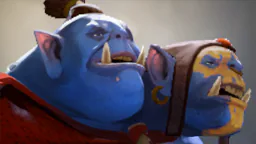
Ogre Magi teaches rotations. Fireblast is a point-click stun that needs no aim, Ignite slows and burns, and Bloodlust makes an ally attack and move faster. His innate Dumb Luck and his high Strength mean he survives mistakes that would kill any other support. Walk to a lane, stun, walk to the next lane. The lesson is that a support who is present at the right lane wins the match without a single last hit.
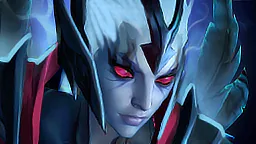
Vengeful Spirit teaches saving allies. Magic Missile is a projectile stun, Wave of Terror removes armor and gives vision, and Nether Swap exchanges your position with a hero's. Swap a dying carry out of a fight, or swap an enemy carry into your team. Her innate Retribution even lets her keep helping after death. The one skill to learn is deciding whom to swap, and that decision is the whole support role in miniature.
Hard support
Position 5, the Hard support / position 5, protects the carry in the safe lane, buys the wards and expects no gold. The two heroes below have abilities that work at level 1, cost little mana, and help the lane without landing anything difficult. The hard support guide covers the job in full.

Crystal Maiden teaches lane control. Crystal Nova slows an area, Frostbite roots a target so your carry can hit it, and Arcane Aura gives every ally mana regeneration from anywhere on the map. Freezing Field deals a lot of damage when the enemy is stunned by someone else. She dies fast, and dying fast as a support teaches where to stand faster than any other lesson.
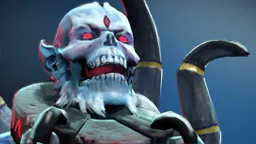
Lich teaches harassing. Frost Blast damages and slows a target and the enemies around it, Frost Shield reduces the damage an ally takes, and Chain Frost bounces between enemies who stand close together. In lane, cast Frost Blast on the enemy carry every time it comes near a creep. In fights, throw Chain Frost into the pair of enemies standing closest together. He needs almost no items and almost no aim.
Heroes to leave for later
Some heroes are simple to understand and difficult to play.  Invoker has ten spells;
 Meepo is five heroes at once and dies if any one of them dies;
 Io and
 Chen are supports whose value depends on the whole team;
 Earth Spirit has three abilities that all need aimed remnants. All are complexity 3, and the hardest heroes guide lists all thirteen with how to learn them. Illusions and summons explains why heroes that control several units are harder still.
Two complexity-1 heroes are also worth avoiding for a while.  Sniper is easy, but his range lets a beginner skip learning positioning, and the habit is expensive to unlearn.
 Anti-Mage is easy to farm with and hard to win with, because he has to farm for a long time without dying and then choose the right fights. Both are fine second carries once you have ten matches on Wraith King or Juggernaut.
How to learn a hero in ten matches
Read the hero page first: the abilities, the innate, and the talent choices at levels 10, 15, 20 and 25. Innate abilities and Talents explain what those two systems do. Then open the demo mode from the hero's page in the client and press every button once, including the Ultimate. Then play.
Match one to three: only last hit and stay alive. Ignore kills. Last hitting and denying explains the click. Match four to six: follow the builds page for items and try to use your ultimate in every fight. Match seven to ten: watch the minimap every few seconds and go where your team is. Buy a  Town Portal Scroll every time you are in the base, and a
 Magic Wand before any larger item. Supports buy an
 Observer Ward every time they are in the base.
Do not judge a hero on a lost lane. A lane is lost by the pair, and Lanes and positions shows how the matchup is decided before the first creep. Judge the hero on whether you understood what it wanted to do, and whether the buttons felt natural by match ten. If they did, it is your Comfort pick. If they did not, try the next hero in the same position. Attributes: Strength, Agility, Intelligence, Universal is worth reading once you have a comfort pick, because the item choices on the builds page make more sense once you know what each attribute gives. Debuff Immunity and dispels is the next mechanic after that, because the first thing a good enemy does against every hero on this list is buy a Black King Bar.
Use the hero comparison tool to put two heroes from the same position side by side, and the random hero tool when you want a new hero within a position you already know.
Practice this

- Pick one position. Pick one hero from that position's list above.
- Play the demo mode for five minutes and press every ability, including the ultimate.
- Play ten matches with that hero. Change nothing else.
- After match five, read the hero's counters page and note the two heroes that beat you.
- After match ten, decide: comfort pick, or the next hero in the same position.
- Then add one hero from a second position, so you can fill when the queue gives you a different role.
Next reads
- Positions 1 to 5 explained — what each position does minute by minute.
- Best carries for beginners and best supports for beginners — eight heroes per role, with the reasons.
- Common beginner mistakes — the twenty-five mistakes every new player makes, ranked, with the fix.
- The complete beginner's guide — if you have not read it yet, start there.
Heroes this affects
Items this affects
Common questions
What does complexity 1 mean?
It is Valve's own difficulty rating, shown as one to three diamonds on the hero card. Complexity 1 means the hero's abilities are few, direct and forgiving. It says nothing about how strong the hero is.
Should I learn one hero or many?
One hero per position until you can play it without thinking about its buttons, then a second in the same position. Ten matches on one hero teach more than one match on ten heroes.
Is it fine to play carry as a beginner?
Yes, on a hero whose job is simple. Wraith King, Juggernaut and Drow Ranger all farm well and survive mistakes. Expect to be blamed when the team loses; that is the position, not you.
Why is Sniper not on the list?
He is easy to play and easy to play badly. His long range lets a beginner skip learning positioning, and the habit costs many deaths later. He works as a second carry once you know where to stand.
Why is Pudge not on the list?
Pudge is complexity 2 and his whole value lives in one skill shot. A beginner who misses hooks gives the enemy a free lane. Learn Ogre Magi or Vengeful Spirit first, then come back to him.
Which attribute is easiest for a new player?
Strength. Extra health forgives bad positioning, and most Strength heroes on this list have a stun. Agility carries and Intelligence supports come next.
Patch 7.41Checked on Sep 15, 2026