Best Mid Heroes for Beginners
Eight mid-lane heroes that are simple enough to learn the solo lane on, with what each teaches, what it buys, and the matchups that will punish you.
· Patch 7.41
This page was checked against patch 7.41 and the current patch is 7.41f. The explanation still holds, but any number on it may have moved.
Mid is a solo lane, which means every mistake is yours and every level is too. The right first mid hero is one that survives a bad matchup, clears a wave without a specific combination, and has a moment where it becomes stronger that you can feel rather than calculate. The eight below are all rated complexity one, all play the lane as a position-two core, and all reward the habits the position is built on. The mid guide covers the job; this list is who to learn it on.
- Mid is about experience first, gold second, and map presence third.
- Your first mid hero should survive a losing lane rather than win a winning one.
- Take every rune you can reach, and tell your team about the ones you cannot.
- A
 Bottle turns runes into lane sustain and is most of the early build.
- None of these heroes is ranked above another here.
How this list was chosen
Three filters and one deliberate omission. The hero is rated complexity one by the game. It plays the Mid lane as a core rather than as a flexible pick. And it can clear a wave and reach the next level without needing a team-mate to be anywhere.
| Complexity | Heroes | Examples |
|---|---|---|
| Simple | 55 | Abaddon, Alchemist, Anti-Mage, Axe |
| Moderate | 59 | Ancient Apparition, Bane, Batrider, Beastmaster |
| Complex | 13 | Arc Warden, Brewmaster, Chen, Earth Spirit |
Valve's own complexity rating across the roster.
The omission is strength in the current patch, which is the worst possible reason for a beginner to choose a hero. You will be playing this one for months. The tier list guide explains why a published ranking would mislead you, and the hero comparison tool is the right way to compare two of these for a specific lane.
What the position asks of you
The mid player takes a solo lane, which means a faster level curve than anybody else on the map. Experience and levels explains why that Level advantage is the whole point, and Lanes and positions covers where the position sits.
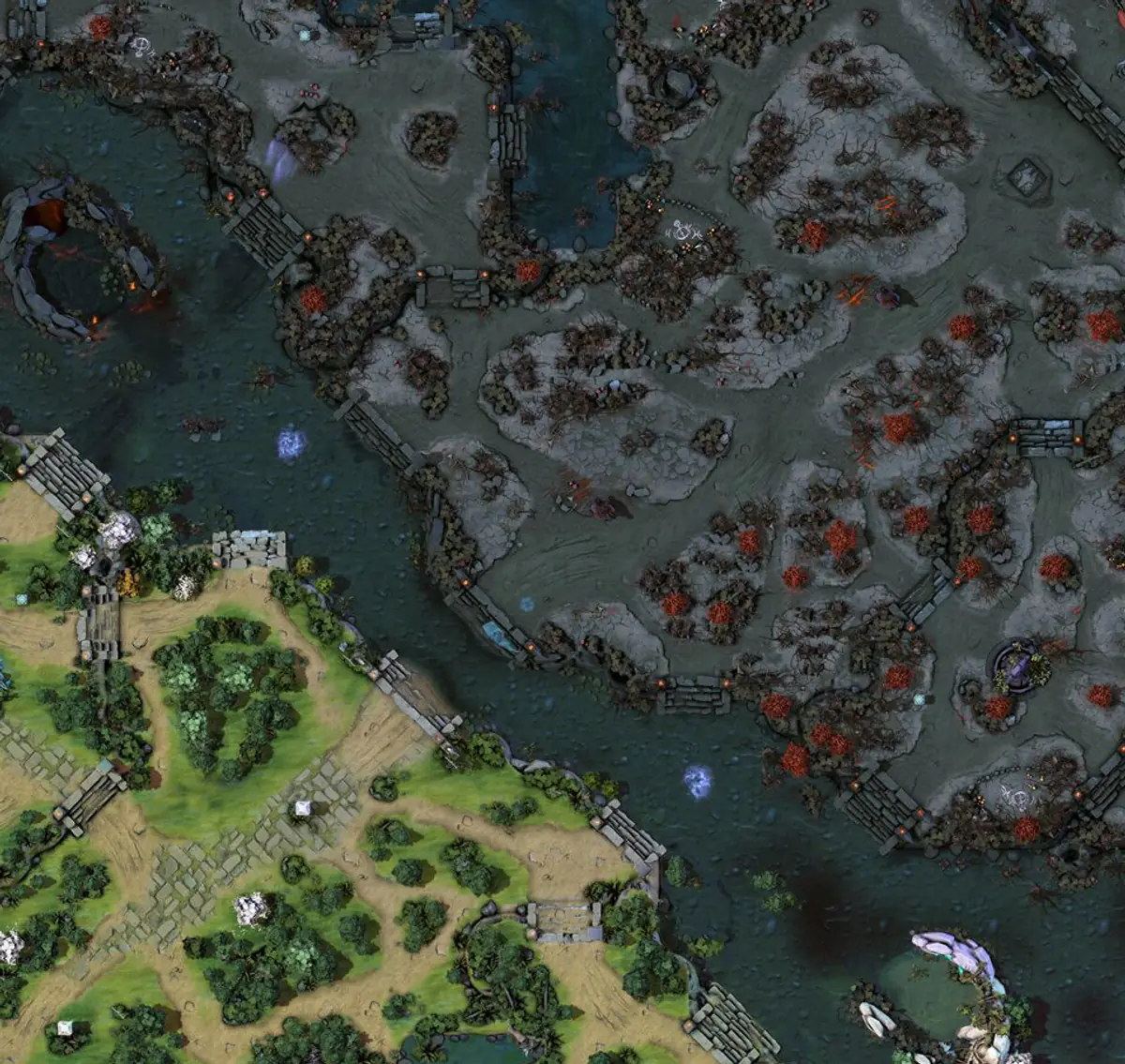
Three jobs. Win or survive the one-on-one, which the laning guide and the last-hitting guide cover. Control the runes, which Runes explains and which is the position's unique responsibility. And convert the level lead into pressure somewhere else on the map before it expires: a Timing is a minute rather than an item, and Roaming is what you spend it on.
Dragon Knight
The most durable hero on this list and the one that loses fewest lanes. Dragon Blood gives him armor and regeneration from the first level, which means harass costs him less than it costs anybody standing opposite him.
He is also the easiest hero here to play badly and still be useful, which is exactly what a first hero should be. A Dragon Knight who loses every trade still arrives at a fight with health, armor and a stun.
 Dragon Knight has a reliable stun in Dragon Tail and an ultimate that turns him into a ranged hero who destroys buildings. That last part is the lesson: a mid hero who can take a tower alone converts a won lane into something the team keeps. A
 Blink Dagger makes the stun land whenever you want it to.
Zeus
The hero that teaches spell damage and map information at the same time. Arc Lightning costs almost nothing and takes last hits from range, Lightning Bolt reveals an area and hurts, and Thundergod's Wrath shows you the entire enemy team for a moment.
 Zeus is a good first mid because the lane is forgiving and the fights are not. He has no escape, so the fights teach you where a caster should stand. Damage types: physical, magical and pure and Magic resistance explain why his damage stops working against some drafts, and an
 Aghanim's Scepter is the usual answer.
Viper
A lane bully with no complicated timing. Poison Attack makes every attack slow and hurt, Corrosive Skin punishes anyone who casts on him, and Viper Strike removes a hero's ability to run away.
 Viper teaches lane control better than anything here: you can see the enemy give up ground attack by attack. That feedback is rare in Dota, where most mistakes are only obvious after the fact, and it makes the lane a genuinely good teacher. His weakness is the late game, which is a useful thing to learn early, because it forces you to convert the lead rather than sit on it. The tempo guide is the page behind that idea.
Razor
The hero that steals what it needs. Static Link takes attack damage from the enemy core and gives it to you, Plasma Field clears waves and slows anybody chasing, and Eye of the Storm shreds armor in a fight.
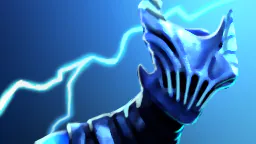
 Razor rewards positioning in a way that is easy to see, because the link has a range and a duration and you can watch both. He also teaches the habit of choosing a target in a fight rather than attacking whatever is nearest. A
 Power Treads start and a
 Black King Bar later is most of the build.
Lina
Pure Burst, in a straight line. Dragon Slave clears a wave from a safe distance, Light Strike Array stuns a hero who stands still, and Laguna Blade removes most heroes from a fight in one cast.
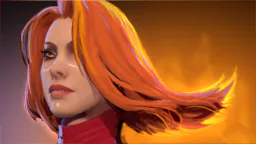
 Lina teaches Nuke timing and the discipline of not spending everything at once. A caster who has used all three spells on a creep wave is a caster with nothing when the enemy walks in, and Lina makes that lesson expensive enough to stick. Fiery Soul rewards casting in sequence, which is the first rhythm most mid players learn. She is also playable as a support, which makes her unusually good value for a small hero pool.
Necrophos
A mid hero that never loses the lane to attrition. Death Pulse heals you and your creeps while it damages the enemy, Heartstopper Aura drains anybody who stands near you, and Reaper's Scythe punishes a hero already hurt.
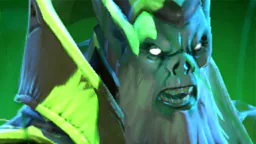
 Necrophos is slow, and that is the lesson. You learn to value survival and level pace over kills, which is what the position actually rewards. His weakness is mobility, so a
 Eul's Scepter of Divinity or a Blink Dagger is usually the item that makes him usable in fights.
Night Stalker
The only hero on this list whose strength is written on the clock. Hunter in the Night makes him faster and more dangerous at night, Void slows and hurts, and Dark Ascension makes night arrive when he wants it.
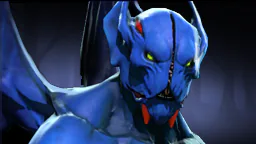
 Night Stalker is the clearest possible teacher of a Power spike, because the spike is on a visible timer that both teams can see. Very few heroes make the idea that strength is temporary this concrete, and once you have felt it on him you will start looking for the same shape on every hero you play. Day and night cycle explains the cycle, and the habit of planning around it transfers to every other hero you will play.
Leshrac
A hero built for taking buildings. Split Earth stuns a group, Diabolic Edict melts waves and towers, and Pulse Nova damages everything around him for as long as the mana holds.
 Leshrac teaches the conversion step that most beginners skip: a won lane is worth nothing until it becomes a building. He is also a reminder that mid is not only a duel, because his best minutes happen in somebody else's lane. He is fragile and mana-hungry, so a
 Magic Wand and early boots matter, and
 Boots of Travel later is what turns his pressure into map control.
Two to leave until later
An  Invoker and a
 Puck are the two heroes most new mid players want to play, and both are poor first choices. Invoker asks you to manage ten spells before you have learned to manage one lane; Puck asks for precise positioning in every fight and punishes a mistake with a death.
Both are worth learning eventually, and the hardest heroes guide covers what that takes. Hero complexity and roles explains what the rating measures, and the random hero tool can filter by complexity if you want to widen the pool deliberately.
Runes, and the habit that matters most
The mid player is the team's rune player, and it is the one responsibility nobody else can cover. Rune control is worth more than any item in the first ten minutes.

The routine is the same every cycle. Push the wave towards their tower a few seconds before the spawn, walk to the rune, take it, and come back. If you cannot make it, say so, because a support arriving instead is worth far more than the rune being contested by nobody. A Bounty rune is a smaller version of the same habit and it is shared across the team.
Runes are also the reason a Bottle is bought so early. It stores one, refills at any rune, and keeps you in the lane through harass that would otherwise send you home. A  Town Portal Scroll covers the other half: the rotation you make, and the one you have to answer.
When to leave the lane
The level lead the solo lane produces is temporary, and a mid player who never spends it has wasted the position. The question is when.
Three signals justify leaving. You have just pushed the wave into their tower, so nothing is lost while you are away. You have taken a rune that makes the walk fast or the kill certain. Or a lane has an enemy hero at low health with no escape and a team-mate already standing beside them.
Everything else is a rotation that costs more than it gains. Walking to a lane where nothing is happening loses you a wave and a level, and arriving after the enemy has retreated loses you both for nothing. The discipline of asking "what is the kill" before you move is the difference between a mid who creates pressure and one who simply stops farming.
The same question applies in reverse. When the enemy mid disappears, your own lane is the one under threat, and the cheapest response is to pull the wave back towards your tower before anything happens rather than after.
Practice this

- Pick one hero from this list and play twenty matches before adding a second.
- Take or contest every power rune for a full match, and note how many you reached.
- Check your GPM / XPM against the enemy mid after every match for a week.
- Push the wave before you leave the lane, every time, without exception.
- Leave mid only for a rune, a pushed wave or a kill you can see; count the times you left for nothing.
- Play one match as a Comfort pick support to see the lane from the other side.
Next reads
- How to play mid — the full job, from the one-on-one to the map.
- The laning phase — trading, equilibrium and creep aggro.
- Tempo, timings and power spikes — converting a level lead before it expires.
- Best carries for beginners — if the safe lane appeals more.
- Best offlaners for beginners — the hardest lane and the simplest heroes for it.
- Choosing your first hero — the same question across all five positions.
Heroes this affects


Items this affects
Common questions
Do I need a Bottle every match?
On most mid heroes, yes, and early. It converts every rune you take into sustain, which is what keeps you in the lane through a bad matchup. The exceptions are heroes with enough regeneration of their own that the gold is better spent elsewhere.
Which of these is the safest pick into anything?
Dragon Knight. He is durable enough to survive a losing matchup, has a stun that works at every level, and pushes towers on his own. He rarely wins a lane outright and he almost never loses one badly.
How do I win the rune?
Be there early with the wave pushed towards you rather than away, and take it while your creeps are still fighting. If you cannot be there in time, tell your supports, because a rune taken by the enemy is worth more than one you missed.
Should I gank other lanes or keep farming?
Farm until you have a reason. A reason is a rune, a wave you have pushed in, or an enemy who is low on health with no escape. Leaving mid without one costs you the experience lead the position exists to build.
What if I lose the lane?
Take the camps behind your tower and keep the wave near it. A mid player who is level with the enemy at minute ten after a bad start has done well, and a mid player who keeps dying trying to fix it has handed the enemy the match.
Patch 7.41Checked on Sep 23, 2026