How to Play Offlane (Position 3) in Dota 2
A complete guide to the Dota 2 offlane: surviving the 2v2 against the enemy carry, trading, making space, the initiation item, the first fight and eight heroes.
· Patch 7.41
This page was checked against patch 7.41 and the current patch is 7.41f. The explanation still holds, but any number on it may have moved.
The Offlaner plays the long lane against the enemy carry and its hard support, survives on less gold than the other cores, and becomes the hero who starts fights from the mid game on. The lane is not about winning; it is about costing the enemy carry farm while taking enough experience to reach the item that lets you choose when fights happen. This guide covers the lane, trading and space, the items in words, the first fight and the team fights that follow, and eight heroes that teach the position. The positions guide places the offlane among the five positions.
- The lane goal is to stay alive, take experience, and make the enemy carry's life hard. Kills are a bonus.
- Since 7.41 the waves meet closer to your tower for the first minutes. Use that to take a few last hits the old offlane never had.
- The first item that matters is the one that lets you start a fight. For most offlaners it is the Blink Dagger.
- After that, the offlaner is the Initiator: choose the fight, go in first, and survive long enough for the team to follow.
The lane
The offlane is the same long lane as the enemy's safe lane, seen from the other side. Your creeps meet the enemy wave near their tier 1 tower, the enemy carry farms beside its support, and the pull camps that help the enemy support sit behind them. You stand with your soft support against two heroes whose whole plan is to farm safely. The plan is to make that impossible. Lanes and positions explains why the carry gets the safe lane and why the offlaner is sent to contest it.
Patch 7.41 changed the start of the lane. The offlane creeps are slowed for a moment as they leave the base and the safe-lane creeps are sped up, so the waves meet closer to your tower until the 7.5-minute mark. That means the first waves die where your tower can help you and where the enemy support cannot pull them easily. Take those last hits. Creeps and creep equilibrium explains how the wave moves after that, and the laning guide covers the trades.
Start with a  Tango, a
 Stout Shield or a
 Quelling Blade depending on whether you need to survive harass or take last hits, and a cheap stat item like a
 Bracer. Buy a
 Magic Wand early; the enemy support casts a lot in your lane, and every cast is a charge. Last hitting and denying explains the click, and the last-hitting guide gives the drill; the offlaner needs both as much as the carry does, with fewer creeps to practice on.
Trading and making space
A Trade is an exchange of damage: you hit the enemy carry, its support hits you, and whoever loses more health loses the trade. The offlaner wins trades by being tougher, by having a spell that punishes a hero who comes close, and by knowing the aggro rules. Attack the enemy carry and the enemy creeps turn on you, which Creep aggro explains; attack it under its tower and the tower turns on you, which Tower aggro explains. Use the first on purpose: draw the creeps toward your tower, then let them go, and the wave moves your way.
To Zone the enemy carry means standing between it and its creeps so that it cannot last hit without taking damage. A zoned carry loses gold every wave, and that is worth more to your team than any kill. Lane dominance is the state where the enemy pair cannot come near the wave; your soft support creates it with harass and kill threat, and you hold it by staying alive. Experience and levels explains why the levels you take while zoning matter: an offlaner two levels ahead of the enemy carry at minute eight is a kill threat by itself.
Space is what the offlaner creates for the rest of the match: every minute the enemy team spends dealing with you is a minute your carry farms unbothered. In lane that means being annoying enough that the enemy support cannot leave; later it means being the first hero on the map they have to answer. A  Crystal Maiden who has to stay in her lane because of you is a Crystal Maiden who is not warding your carry's jungle.
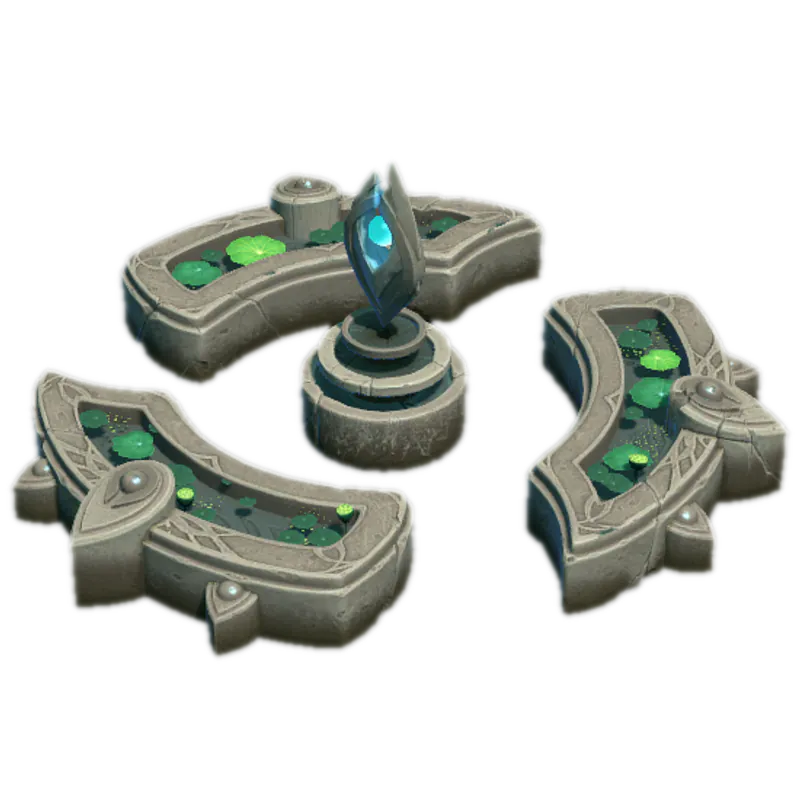
When the lane is lost, do not die in it. Stand at the edge of experience range and pull the small camp behind your tower to reset the wave. Take the experience from the Shrine of Wisdom in your jungle when it is ready, and let the tower take the last hits. Shrines of Wisdom and Lotus Pools covers the shrine and the Lotus Pool beside your tower, which heals you between trades. An offlaner who reaches level 6 alive with no gold has done the job; the team's first fight will give the rest. Tell the team the lane is lost early and plainly, so the mid or the soft support can rotate before the enemy carry has a free lane for ten minutes. A lost lane that the team knows about costs one tower; a lost lane nobody mentions costs the map.
Items in words
The offlane build has a shape: laning items, boots, a defensive item that lets you stand in the fight, the initiation item, and then the items that make the whole team tougher. Because the offlaner has less gold than the other cores, every item has to do a job for the team and not only for the hero. The builds page for each hero shows the current choices.
Boots first:  Phase Boots for a melee offlaner who needs to reach targets, or
 Boots of Speed upgraded later for a hero who saves for a large item. Then the defensive item the enemy lane decides: a
 Vanguard against physical harass, or a
 Ring of Basilius for armor and mana in a lane where you cast a lot. Then the
 Blink Dagger, which is the Timing the whole match turns on for heroes like
 Axe,
 Tidehunter and
 Centaur Warrunner. A Blink-in onto the enemy carry with a stun or a taunt is a won fight if the team follows.
After the Blink come the team items.  Pipe of Insight gives every ally a barrier against magic;
 Crimson Guard gives every ally a chance to block physical damage;
 Heaven's Halberd disarms the enemy carry for a few seconds;
 Lotus Orb reflects a targeted spell;
 Blade Mail returns damage to whoever hits you.
 Black King Bar is the choice when the enemy has more disables than your team can dispel, and the BKB guide says when. Late,
 Shiva's Guard slows attacks and adds armor, and an
 Aghanim's Shard is often the cheapest upgrade an offlaner can buy. Debuff Immunity and dispels explains the difference between immunity and a dispel, and the itemization guide explains how to choose between these by reading the enemy draft.
The neutral slot matters more to the offlaner than to anyone, because the offlaner has the least gold to spend on a defensive item. Craft the Artifact that gives armor, health or a dispel at each tier, and take the Enchantment that helps you survive rather than the one that adds damage. A Shard from the Tormentor is worth walking across the map for on most offlaners, and the team should send you for it when the kill is safe.
The stats behind those items are on Armor and physical damage, Magic resistance and Status resistance and slow resistance. Your EHP is the health you can lose after armor and resistance are counted, and it decides whether you survive an initiation. The stat calculator shows it at any level with any items.
The first fight
The first fight is the offlaner's match. It happens when your initiation item is ready and before the enemy carry has its first fighting item, and it decides who controls the map for the next ten minutes. Choose it. Ping the target, tell the team you are going, and wait until they are in range. Then go in on the enemy hero whose death costs them the most: the carry if you can reach it, the support that saves it if you cannot. Stun explains the disables that decide whether the target dies before it acts; a Disable landed first is a fight won.
The rule is to go in only when the team can follow within the time your first disable lasts. An offlaner who blinks in alone and dies has given the enemy a kill and the initiative. An offlaner who blinks in with four allies behind him has won the fight before the enemy knows it started. The team fighting guide covers initiation order, target priority and how to leave a fight that is going wrong.
A tower dive is the offlane's second kind of first fight: the enemy carry is low, its support is dead or gone, and your creep wave is under its tower. Go in with the wave so the tower shoots creeps and not you, stun the carry, and leave the moment the wave dies. The tower will turn on you when you attack a hero under it, which Buildings explains, so the whole dive has to fit inside the wave's life.
After the first won fight, take the objective it opened. The enemy tier 1 tower in your lane is the usual one, because you have been standing next to it for ten minutes and the enemy carry was farming under it. Buildings explains the protection rules. The objectives guide explains how the team turns one fight into map control, and Teleport and buyback is the reason you keep a  Town Portal Scroll for the fight after that.
Team fights and the mid game
From the mid game the offlaner has two jobs in every fight: start it, and stand between the enemy and your carry. The first is the Blink and the disable. The second is why the defensive items come before damage. A hero like  Mars or
 Underlord who is still alive halfway through the fight, blocking the path to the carry, wins fights his damage never would. Vision, fog and wards explains why an initiation from fog succeeds and one across the enemy's wards does not; ask the supports for a ward on the ground you plan to fight on.
Body blocking is the offlaner's quietest skill. A hero standing in a narrow path stops the enemy carry from reaching your supports, and a hero standing on the enemy carry's escape route stops it leaving. Melee offlaners with a large model do this without a single spell. Practice it in the lane by standing in front of the enemy carry when it tries to walk to a creep. Every step it has to take around you is a last hit it misses.
Between fights, farm the offlane jungle and the lanes that push toward your side, and take the enemy carry's jungle when the team is on that side of the map. The offlaner's gold is third in priority, so take the camps the mid and carry are not using and leave the safe-lane jungle to your carry. Gold and bounties shows where the gold comes from and Neutral camps, stacking and pulling shows how a stacked camp near your lane can be your whole mid-game farm. The tempo guide explains how to read the minutes in which the offlaner is the strongest hero on the map, which is usually the window between your Blink and the enemy carry's Black King Bar.
The soft support is the offlaner's partner from the first creep to the last fight, and the soft support guide shows the lane from that side. A  Tusk who arrives from fog at the same time as your Blink is a kill. The carry guide is worth reading once from the offlaner's side. It shows what the enemy carry is trying to do to you in the lane, and what your own carry needs from your fights. An
 Anti-Mage against you in lane is a carry that wants to be left alone; do not let him.
Eight heroes to learn the position on
Each teaches one part of the job, and each has a hero page with builds, counters and talents.
- Axe teaches initiation, because Blink into Berserker's Call is the simplest fight-starter in the game and Culling Blade finishes what it starts.
 Bristleback teaches trading, because Quill Spray wins every exchange in lane and his passive makes him the hardest hero to kill from behind.
- Centaur Warrunner teaches the Blink timing, because Hoof Stomp needs the Blink to land and Stampede needs the team to follow.
- Tidehunter teaches team fighting, because Ravage is a fight on its own and Kraken Shell lets him survive the lane while he waits for it.
- Mars teaches positioning, because Arena of Blood decides where the fight happens and Bulwark decides which direction he can be hit from.
- Underlord teaches the team-item offlaner, because Pit of Malice and Atrophy Aura win fights slowly and Fiend's Gate moves the whole team.
 Legion Commander teaches when to commit, because Duel wins or loses on a single decision and Press the Attack keeps the lane alive.
 Dark Seer teaches the utility offlane, because Ion Shell wins the lane without a single attack and Vacuum into Wall of Replica turns fights.
The best beginner offlaners guide ranks the easiest eight with the reasons. The hero comparison tool puts any two side by side, and the counter picker shows which offlaner has done best against the enemy carry the draft gave you.
Practice this
- Play five matches on one offlaner. Count deaths in the first ten minutes; the target is none.
- In each lane, find the moment the enemy support leaves, and step forward to zone the carry until it returns.
- Buy the Blink Dagger before any damage item for a week, and start every first fight yourself.
- Before every initiation, count the allies within Teleport range. Go only if it is at least three.
- Use the Lotus Pool and the Shrine of Wisdom in your jungle every time they are ready.
- Watch one replay from the enemy carry's camera and note when your lane presence cost it farm.
Next reads
- How to play soft support — the partner in the offlane and the roamer who arrives for the kill.
- Team fighting — initiation order, target priority and when to leave.
- The laning phase — trading, aggro, harass and the 7.41 meeting point.
- When to buy BKB and itemization basics — the defensive choices the offlaner makes for the team.
Heroes this affects



Items this affects
Common questions
What does the offlaner do if the lane is unwinnable?
Stay alive and take experience. Stand at the edge of the wave where the enemy support cannot reach you, take the last hits the tower gives you, and pull the small camp when the wave pushes. A level-6 offlaner with no gold still starts fights; a dead one starts nothing.
Should the offlaner take last hits from the soft support?
Yes, most of them. The soft support takes the ones the offlaner cannot reach and the denies that keep the wave in place. Two heroes contesting the same creep both lose it.
When is the first fight?
When your initiation item is ready and the enemy carry is not. For most offlaners that is the Blink Dagger, and the window between your Blink and the enemy carry's first fighting item is the offlaner's best minutes of the match.
Why do offlaners buy defensive items first?
Because the offlaner's job is to be in the middle of the fight for the whole fight. An offlaner who dies in the first seconds initiated for nothing. Armor, magic resistance and health are what keep the initiator alive long enough to matter.
Is the offlane a support lane now?
No. Since 7.41 the side-lane creeps meet closer to the offlane tower for a few minutes, which gives the offlaner a safer start than before. The position is expected to farm the offlane jungle and reach its item timing. It is a core with a hard lane, not a support with a tower.
Patch 7.41Checked on Sep 15, 2026