Dota 2 Roshan and Tormentor timer
Enter the minute Roshan died and read the respawn window, the Aegis expiry and the next Tormentor, from hand-verified constants with a patch stamp.
Patch 7.41Free, no sign-up
This page was checked against patch 7.41 and the current patch is 7.41f. The explanation still holds, but any number on it may have moved.
Interactive tool
Kill time 20:00
- Aegis expires
- 25:00
- Next Tormentor
- 30:00
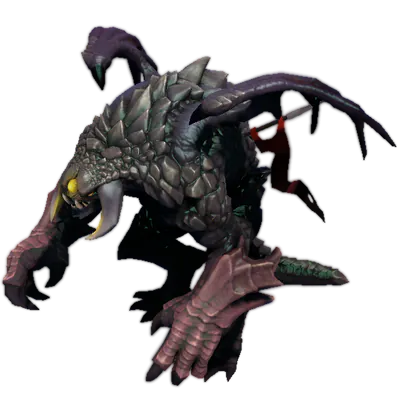
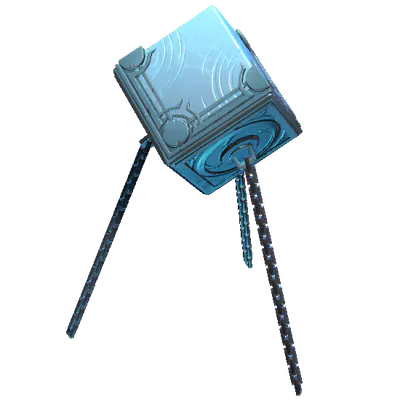
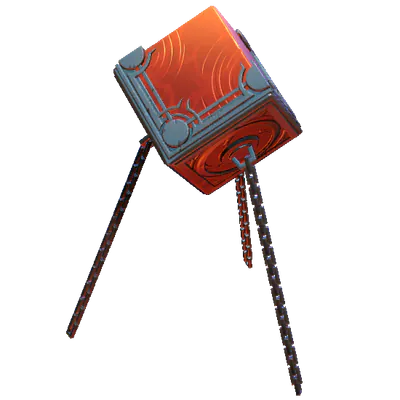
Two river pits. 7.41: Roshan begins in the top pit; from 15:00 he follows the day/night cycle — top pit by day, bottom pit by night — walking through the river when the phase changes and throwing heroes in his path. Only the active pit shows on the minimap.
One Tormentor. 7.41: it begins in the bottom corner (Radiant side) and alternates with the day/night cycle so that it is always on the opposite side of the map from Roshan.
The arithmetic is a kill time plus a minimum and a maximum, both read from the supplemental dataset rather than typed into this page. The moment those values are entered and verified, the inputs above start producing a window with no other change.
A Roshan timer is arithmetic anyone could do: kill time plus a minimum, kill time plus a maximum. It is also one of the few pieces of arithmetic where being slightly wrong is worse than not doing it at all, which is why every constant behind it is sourced rather than remembered.
What it computes
You enter the game clock at the moment Roshan died. The tool returns the earliest the pit can be occupied again, the latest it can be, and the window between them. It also returns the moment the Aegis carried out of that fight expires, and when the next Tormentor is up.
All of that is a single addition per row. None of it is hard. The hard part is the two numbers being added, and those are not published in any dataset the game ships.
Where the constants come from
Respawn windows, Aegis duration and the day and night cycle belong to a small set of hand-verified map constants. They are facts the game files do not publish. Each one is entered by hand with the patch note it was read from, or marked as a measurement somebody has to confirm in a real game.
This site's fact rules exist for exactly this case. These are numbers that change between patches, that every player half-remembers from a version that no longer exists, and that a reader acts on within seconds. Anything still awaiting an in-game check is shown as awaiting one rather than printed as fact.
Roshan carries the pit rules and the drop order, and Day and night cycle the cycle that decides which pit is occupied. The Roshan guide covers the vision and the decision of who takes the Aegis.
What you can do meanwhile
Count from the kill in your own head, and count to the later end of the range rather than the earlier one. Being early to an empty pit is a worse mistake than being late to an occupied one: the first loses a fight and the second only loses tempo. Announce the kill time to your team in chat the moment it happens; a shared number that everyone has is worth more than a precise one that only you have.
Every figure this page shows carries the patch it was verified against, printed beside it. The objectives guide covers what to do with the window once you have it.
Questions
Why is it a range and not a single time?
Because the respawn is randomised between a minimum and a maximum, both taken from the patch notes. The tool adds each of them to the kill time you enter, which is the whole of the arithmetic, and shows both ends because both of them change what your team should do.
Why not use the numbers everyone knows?
Because a Roshan timer that is a few seconds wrong loses the fight it was consulted for, and half of what everyone knows is from a patch that has since changed it. This site renders game numbers from data with a source and a patch stamp attached, and a respawn window is the last place to make an exception.
What if a value is marked unverified?
Then it is shown as awaiting an in-game check rather than printed as a fact. A few of these constants are not stated in any patch note and have to be measured, and the site would rather show a gap than a plausible number somebody acts on.
Why is it a window rather than a time?
Because the respawn is randomised between a minimum and a maximum. Treating the earliest moment as the answer gets your team killed contesting a pit that is empty; treating the latest as the answer gives the other team a free Aegis. Both ends matter, which is why the tool is built to show both.
Does it track day and night?
It reports the phase at a given minute, which matters because the occupied pit follows the cycle after a point in the match. The minimap icon is still the authority in a live game: only the active pit carries one.
The mechanics behind it
Patch 7.41Checked on Sep 23, 2026