Vision, fog and wards
How vision works in Dota 2 7.41: fog of war, day and night vision, high-ground and tree rules, Observer and Sentry Wards, and the philosophy of a ward spot.
· Patch 7.41
This page was checked against patch 7.41 and the current patch is 7.41f. The explanation still holds, but any number on it may have moved.
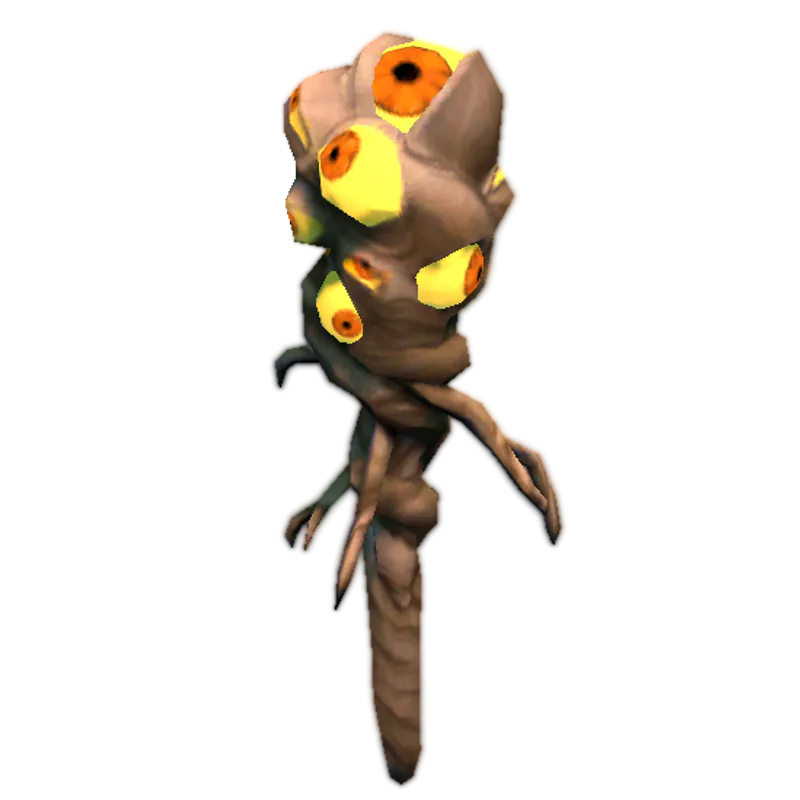

Vision is what your team can see through the fog of war, and it comes from your units, your buildings, your wards and the map's Watchers. Fog hides everything a team has no vision of, which makes vision the resource that decides where it is safe to farm, when a fight is a trap, and whether Roshan is being taken. This page explains the rules of sight, the two wards and the other sources, and the reasoning behind a good ward spot; the spots themselves are in the warding guide.
- Every allied unit and building sees a radius that is shorter at night; vision is shared by the whole team.
- Vision does not go up: a unit on low ground cannot see onto high ground, and trees block sight.
- Observer Wards give vision; Sentry Wards give True Sight; Watchers give vision on a timer and belong to whoever takes them.
- Invisible units are hidden even inside vision until True Sight reveals them.
- A ward spot is good when it answers a question the team will ask in the next few minutes.
The rules of sight
Every unit has a day vision radius and a shorter night vision radius; heroes see far by day and less at night, creeps and wards less than heroes, and since 7.40 every illusion has the same fixed day and night vision. Buildings see their surroundings and along the lane they guard. Everything any allied unit sees, every ally sees; since 7.36b wards use the team's vision regardless of who placed them. Day and night cycle covers how the night shortens everyone's sight and which heroes are exceptions.
Two things stop sight. Elevation: a unit on lower ground cannot see units on higher ground, though the reverse is fine, so the cliffs along the jungles and the base high grounds are blind from below. Trees: a unit cannot see through a tree line, and a tree can be cut with a  Quelling Blade or any tree-destroying ability to open a sight line. Flying units and units on high ground see over both. High ground and uphill miss explains the attack side of the elevation rule.
Invisibility is the third rule. An invisible unit inside your vision is still hidden; only True Sight reveals it, and True Sight has a radius of its own. Invisibility, True Sight and detection lists every source of both.
Observer and Sentry Wards
An  Observer Ward is placed on the ground, is invisible to the enemy, lasts several minutes and gives vision of a radius around it. It is free to buy but limited in stock, and the stock refills on a timer, so a team never runs out but can never buy more than the stock allows at once. A
 Sentry Ward gives no vision but True Sight in a radius, revealing invisible units and, more often, enemy wards, and it costs gold. Dewarding, which is finding an enemy Observer Ward with a Sentry and killing it, pays a gold and experience bounty to the team that does it, listed on Experience and levels.
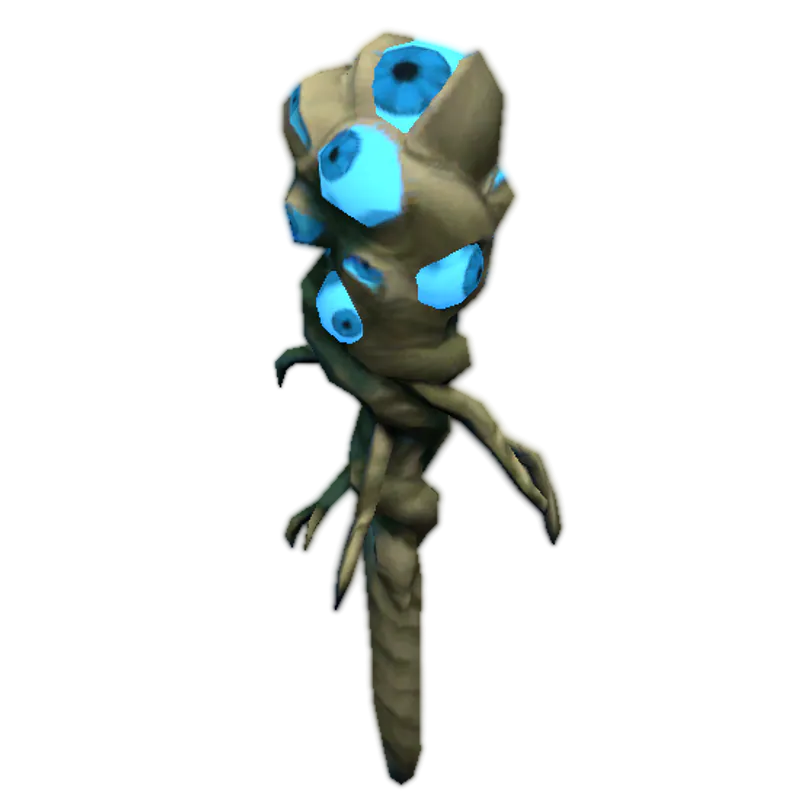

The two are placed together more often than apart. A ward on a cliff with a sentry beside it survives the enemy's first deward attempt and reveals a smoked gank walking underneath. The warding guide has the spots for both sides in 7.41, and the hard support guide has the budget. Both wards show a health bar in hero attacks needed to kill them since 7.33.
Other vision sources
- Watchers. Neutral vision towers that a hero activates by channeling; they give their team vision of the area for several minutes, and an enemy can destroy them by channeling in turn. Since 7.40 the ones by the Shrines of Wisdom see the shrine at night. Twin Gates and Watchers has the rules.
- Buildings. Towers see along their lane and over their high ground, and the Defender's Gates have a vision radius of their own; losing a tower loses its sight. See Buildings.
- Scan. A team ability that reports whether an enemy hero is in an area for a few seconds, with no vision and no reveal of smoked heroes; see Glyph, Scan and courier.
- Heroes.
 Beastmaster's Hawk is flying vision that ignores cliffs;
 Clockwerk's Rocket Flare and
 Keeper of the Light's Illuminate scout paths;
 Nature's Prophet's treants stand on cliffs as wards;
 Templar Assassin's Psionic Traps are free wards with a bonus;
 Bounty Hunter's Track is vision on a hero wherever it goes; and
 Zeus's Thundergod's Wrath reveals every enemy hero for a moment and, since 7.41, damages them even under a Smoke of Deceit.
- Night Stalker.
 Night Stalker's Dark Ascension turns the map to night and removes the enemy's vision in an area, the only ability that takes vision away rather than giving it.
Hiding from vision
The counter to vision is  Smoke of Deceit: it makes nearby allied heroes invisible to enemy units and wards until they come close to an enemy hero or tower, and Scan does not detect them. A smoke gank is the standard way to cross a warded map, and the standard defense is a sentry where the smoke would break, since True Sight reveals smoked heroes.
 Gem of True Sight gives permanent True Sight to its carrier and drops on death, and
 Dust of Appearance reveals invisible units near the user for a while. A
 Blink Dagger onto a cliff is the other way to see what the enemy has hidden.
What makes a ward spot good
A ward is placed to answer a question: is the enemy carry in that jungle, is Roshan being taken, which way is the rotation coming. The best spot is the one that answers the question the team will ask in the next few minutes, from a height the enemy cannot see, at a place their sentry will not think to check. That gives four rules. Ward high, because a cliff ward sees the low ground and is invisible from it. Ward the approach, not the objective, because a ward that sees the enemy walking toward Roshan is worth more than one inside the pit. Move wards as the game moves, because a lane ward is useless once the tower has fallen. And deward on a schedule, because the enemy support wards at the same times you do. Camp blocking, which is a ward placed to stop a neutral camp spawning, is explained on Neutral camps, stacking and pulling. A fifth rule is about counting: the stock is small, so a ward that watches nothing is a ward the team does not have when it needs one, and the support who keeps one charge in reserve for the Roshan attempt is the one who sees it happen.
The map control guide turns those rules into a map plan and the soft support guide into a rotation routine; Roshan lists the pit's approaches, and The map the cliffs.
How it interacts with other mechanics
- Invisibility. True Sight and detection are on Invisibility, True Sight and detection.
- High ground. The elevation rule for attacks is on High ground and uphill miss.
- Night. Vision shrinks at night and some heroes gain from it; see Day and night cycle.
- Experience. Dewarding pays experience; see Experience and levels.
Common mistakes
- Warding the objective instead of the path to it. You want to see them coming, not arrive.
- Placing an Observer with no Sentry in a spot the enemy always checks. It dies before it pays for itself.
- Leaving lane wards up after the lane is over. Move them.
- Treating Scan as vision. It answers one yes-or-no question and misses smoked heroes.
- Walking through fog without a ward and calling it bad luck. The fog is the same for both teams.
Heroes this matters for
Zeus — Thundergod's Wrath reveals the map

Beastmaster — the Hawk is flying vision
Clockwerk — Rocket Flare scouts
Nature's Prophet — treants scout
Keeper of the Light — Blinding Light and Illuminate scout paths
Night Stalker — Dark Ascension removes enemy vision at night
Bounty Hunter — Track is vision on a hero

Templar Assassin — Psionic Traps are free wards
Items this matters for
Observer Ward — the basic vision tool
Sentry Ward — True Sight and dewarding
Gem of True Sight — permanent True Sight
Dust of Appearance — temporary True Sight
Smoke of Deceit — hides from wards
Quelling Blade — cuts trees to open vision
Blink Dagger — takes high-ground vision
Heroes this affects
Items this affects
Common questions
What is the difference between an Observer and a Sentry Ward?
An Observer Ward gives vision of the area around it. A Sentry Ward gives no vision of its own but reveals invisible units and enemy wards within its radius. Most ward spots want both.
Why can I not see up the cliff?
Units on low ground cannot see onto high ground. Vision flows down, not up, which is why wards go on cliffs and why sieging a base is hard.
Do wards give experience?
Killing an enemy Observer Ward pays a gold and experience bounty to the team that destroys it, which is why dewarding is worth a support's time.
Does Scan replace wards?
No. Scan tells you whether an enemy hero is in an area for a few seconds; it gives no vision and does not reveal smoked heroes. It complements wards and cannot replace them.
Patch 7.41Checked on Sep 15, 2026