The Complete Dota 2 Beginner's Guide (7.41)
What a new Dota 2 player needs in the first ten hours: the objective, the map, heroes, gold and items, positions, creeps, vision and a plan for early matches.
· Patch 7.41
This page was checked against patch 7.41 and the current patch is 7.41f. The explanation still holds, but any number on it may have moved.
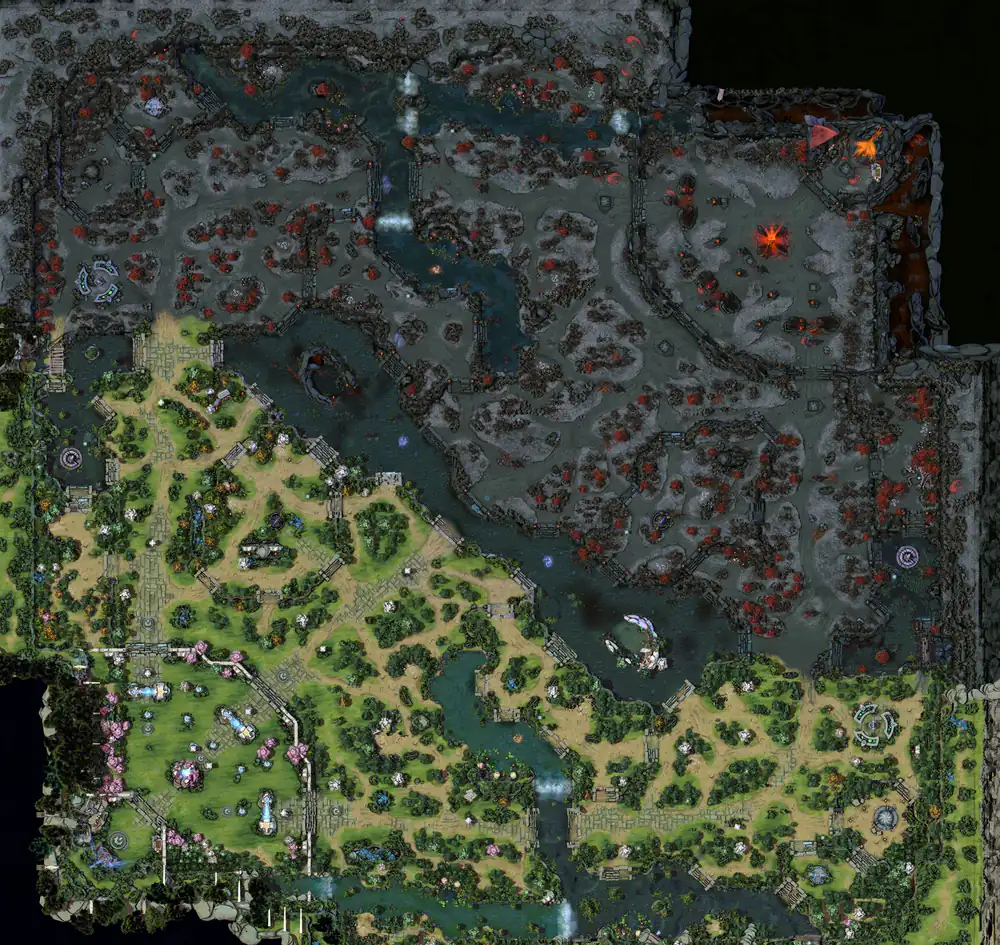
Dota 2 is a five-against-five match in which each team tries to destroy the other team's Ancient, a large building at the back of its base. You control one hero for the whole match and earn gold and experience by killing creeps and enemy heroes. You spend the gold on items, and use the strength that gives you to push through towers to the Ancient. Nothing carries over between matches except what you learned. This guide covers the first ten hours: the objective, the map, how a hero grows, what gold buys, the five positions, creeps, vision, dying, and a plan for your first matches.
- The only win condition is the enemy Ancient. Kills, towers and gold are steps toward it, never the goal.
- Your hero gets stronger from levels, from items, and from the team around it. The first two come from farming creeps.
- Every team has five positions with different jobs. Play position 5 or position 1 first, with a complexity-1 hero.
- The map hides everything outside your team's vision. Most deaths happen because a player walked into fog alone.
- The Town Portal Scroll is the most important item in the game. Always carry one.
The objective: the Ancient
The match ends when one Ancient is destroyed. Each Ancient sits inside a base in a corner of the map, guarded by a tier 4 tower pair, and each base is reached along three lanes. Every lane has three towers and a pair of barracks in front of the base. A tower can only be attacked after the tower in front of it has fallen, so the path to the Ancient is fixed: tier 1, tier 2, tier 3, barracks, tier 4, Ancient. That chain is why a team that has killed many heroes can still lose: kills convert into towers only when the team walks down a lane together and uses the time.
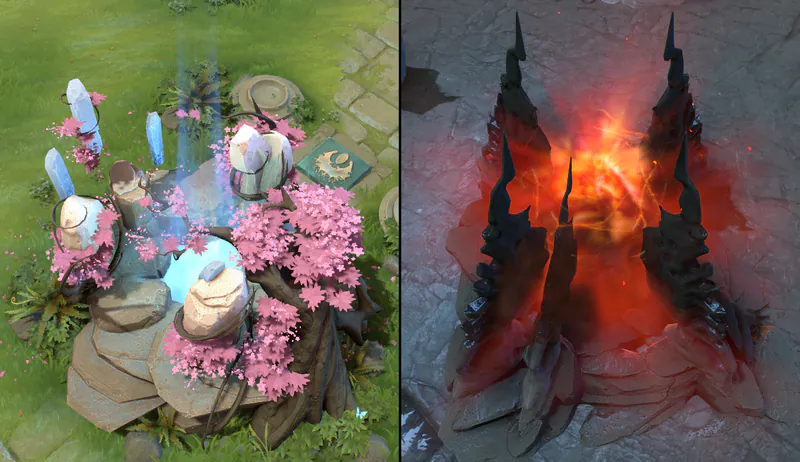
Barracks matter almost as much as the Ancient. When one of your barracks falls, the enemy creeps in that lane become stronger for the rest of the match. When all six fall, the enemy creeps become mega creeps, and a team defending against mega creeps rarely recovers. Buildings explains every building, its protection rules and what happens when it dies.
Towers also shoot. A tier 1 tower kills a low-level hero in a few hits, and a tower switches its target to any hero that attacks an allied hero under it. Until you know how tower aggro works, stay out of tower range unless your creeps are tanking it.
How a match unfolds
A standard match has three phases that blend into each other. The laning phase runs from the first creep wave until the tier 1 towers start falling, usually around the ten-minute mark. Each hero stays in its lane, last hits creeps and tries to get more gold than the hero across from it. The mid game starts when heroes leave their lanes, group up, take towers and fight over runes, Roshan and the Tormentor. The late game is decided by the strongest heroes with full inventories and by buybacks, and one lost team fight can end the match. Lanes and positions shows which hero goes to which lane and why.
- 1.Top lane
- 2.Mid lane
- 3.Bottom lane
- 4.Radiant base
- 5.Dire base
Creeps spawn every 30 in every lane and walk toward the enemy base. They meet the enemy wave somewhere in the lane and fight, and the heroes stand around that fight taking the last hit on each dying creep. That last hit is where the gold comes from. The waves get stronger every 7.5, which is why a lane left alone slowly pushes into the weaker team's towers. Creeps and creep equilibrium covers the waves in detail.
The clock matters. Power runes appear from the 6-minute mark and every 2 after that, the map switches between day and night every 5, and Roshan becomes worth fighting over once teams have a few items. You do not need to track any of it in your first hours. You do need to know that the game changes shape around the ten-minute and twenty-minute marks, and that standing in your lane at minute twenty-five is a mistake.
Your hero: attributes, abilities, levels
Every hero has a primary attribute: Strength, Agility, Intelligence or Universal. Strength gives health, Agility gives armor and attack speed, Intelligence gives mana, and each hero's primary attribute also adds attack damage. Universal heroes gain damage from all three instead. The attribute icon appears next to the hero's name everywhere on this site, and Attributes: Strength, Agility, Intelligence, Universal gives the formula behind each stat.

A hero starts at level 1 with one ability point and gains points as it levels up. Four abilities sit on the bar, the fourth being the ultimate, which unlocks at level 6 and usually decides fights. Since 7.36 every hero also has an innate ability that is always on from level 1, described on Innate abilities. Talents are small permanent upgrades chosen at levels 10, 15, 20 and 25, and since 7.40 the remaining pairs are picked at levels 27 to 30. Talents and Experience and levels cover both systems.
Which ability to level first is a decision every hero makes at level 1 and again at every level after. The builds page on each hero page shows the order most players use on the current patch. The general rule for a beginner is simple. Put the first points into the ability that makes last hitting or surviving easier, and take the ultimate at level 6. Leave the ability that only matters in fights for later, when fights start happening. A support levels the ability that harasses or saves first. Follow the builds page until you understand why it says what it says, then change it.
Six heroes to recognize in your first hours, because you will meet them constantly and because each one has a simple job:

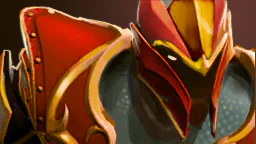
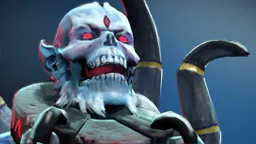
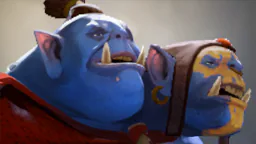
 Wraith King,
 Crystal Maiden,
 Axe,
 Dragon Knight,
 Lich and
 Ogre Magi are all complexity 1 on Valve's scale. Complexity is a hero's mechanical difficulty, not its strength, and Hero complexity and roles explains what the diamonds and the role bars on each hero page mean. The first-hero guide picks twelve heroes across every position, with the reason each one teaches something.
Gold and items
Gold comes from Farm: last hitting creeps, from killing or assisting on enemy heroes, from towers, from Roshan and from a slow passive trickle every player receives. You spend it at the shop in your base. You can also buy from anywhere on the map, and the courier brings the item to you. Gold and bounties shows every source and how dying costs you gold.
The first items you buy are consumables:  Tango and a
 Healing Salve for the lane, an
 Iron Branch or two for cheap stats, and a
 Quelling Blade if you are a melee hero who needs to last hit. Melee carries get more from it than anyone.
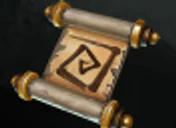
The  Town Portal Scroll is the most important item in the game. It teleports you to any allied building after a short channel, and players call it the TP. It is how you get back to lane after shopping, how you join a fight on the other side of the map, and how you leave a bad situation. Buy one every time you are in the base, and never sell your last one. Teleport and buyback covers the rules.
After that, three items fit almost every hero in every match:  Boots of Speed for movement speed,
 Magic Wand for burst healing in fights, and a hero-specific core item that the hero's builds page names. Cores usually upgrade boots to
 Power Treads or another boots item. Supports buy
 Observer Ward stock before their own items.
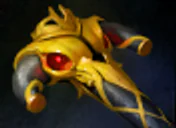
The one item every new player asks about is  Black King Bar (BKB). Its active grants Debuff Immunity for a few seconds, so most stuns and slows stop affecting the hero. A carry with BKB active is very hard to stop; a carry without it is a target. Do not worry about buying it in your first hours, but learn to see it in the enemy inventory.
The map
The map is a square. Radiant occupies the bottom-left corner and Dire the top-right, a river runs diagonally between them, and three lanes cross from base to base. Between the lanes are the jungles, full of neutral creep camps that give gold and Madstones. In the river are the two Roshan pits, and along the edges sit the Tormentor corners, Twin Gates, Lotus Pools, Watchers and the Shrines of Wisdom.
- 1.Roshan pit
- 2.Roshan pit
- 3.Tormentor
- 4.Tormentor
- 5.Watcher
The safe lane for Radiant is the bottom lane; for Dire it is the top lane. It is called safe because its creeps meet close to your own tower and your jungle is right behind it. The mid lane is short and shared by one hero from each side. The offlane is the long lane far from your tower, where the enemy carry farms. The map names every part of the map, and the map guide walks you across it with annotated crops.
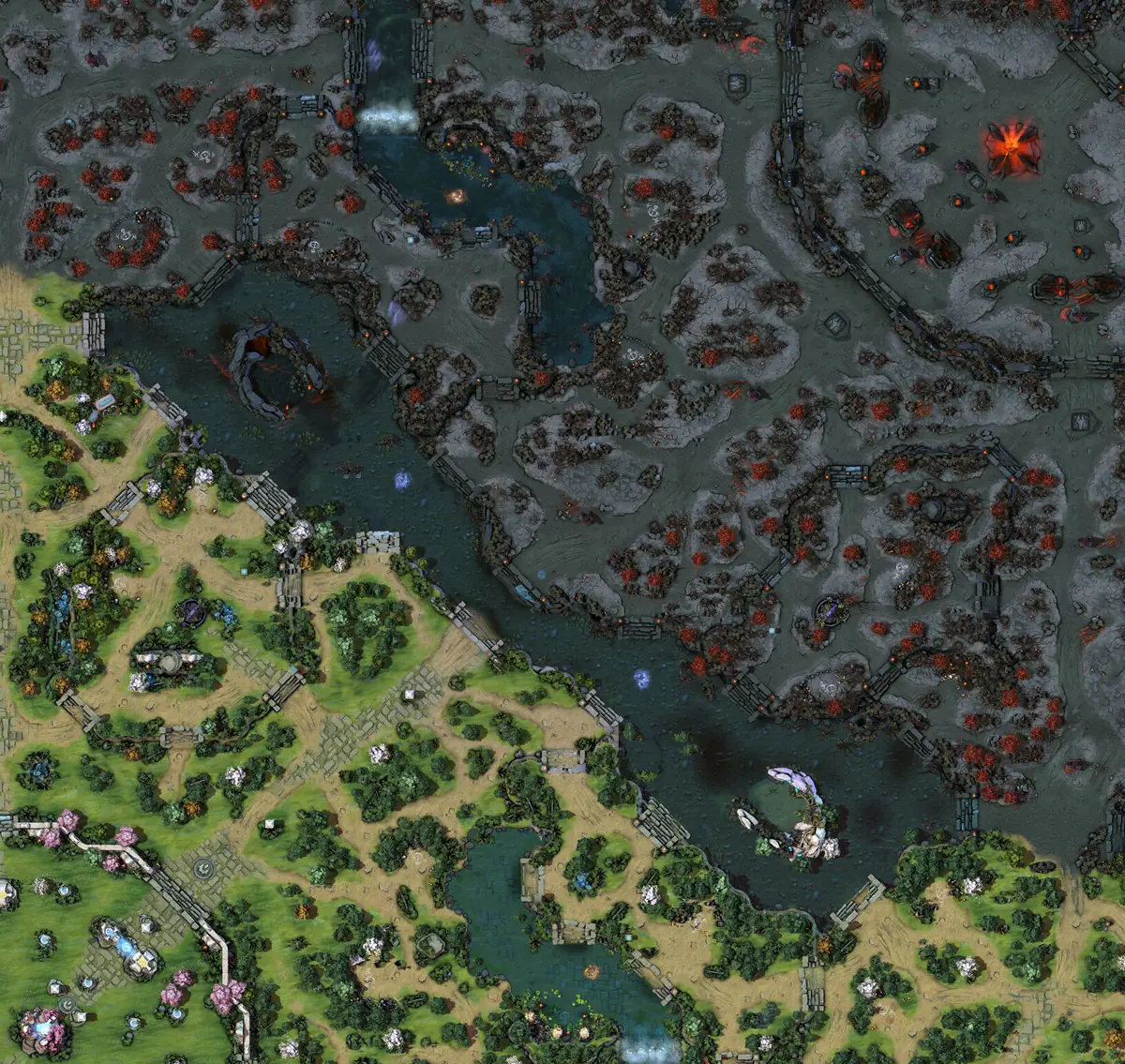
The three things to memorise now:
- The Fountain at the back of your base heals you fully and kills any enemy who walks into it.
- The jungle nearest your safe lane is yours to farm; the jungle nearest the offlane belongs to the enemy carry.
- Anything beyond the river is enemy territory until the mid game. Do not walk there alone.
Runes spawn at fixed spots on a timer, and the mid hero usually contests them. Bounty runes give gold to the whole team; power runes give one hero a temporary buff such as Haste or Amplify Damage. Runes lists every rune and every spawn time.
Positions and what your team expects
The five positions are a farm-priority order, not a lane name. Position 1, the Carry, farms the safe lane and expects the most gold. Position 2 plays mid alone. Position 3 holds the offlane and starts fights. Position 4 roams and helps whichever lane needs it. Position 5 protects the carry, buys wards and expects nothing for itself. Positions 1 to 3 are the cores; 4 and 5 are the Support pair.
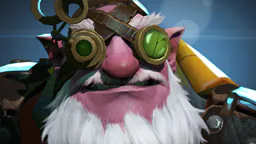
Pick position 5 or position 1 first. Position 5 teaches you the map, vision and when fights start, and nobody expects you to have gold. Position 1 teaches you last hitting and item timings, and the support beside you keeps you alive while you learn. Mid and offlane both put you alone against an enemy who knows the lane; leave them for later.  Sniper and
 Anti-Mage are the two carries beginners are drawn to; both work, but both die often before their items arrive. The positions guide walks through each position minute by minute.
Whatever position you take, tell your team before the match starts by picking a role in the queue or typing it in chat. Two players who both expect the carry's farm lose the lane before the first creep arrives.
Creeps, last hits and denies
You only receive gold from a creep if your attack lands the killing blow. That is a Last hit, and learning it is the single largest skill gain of your first ten hours. Watch the creep's health bar, know how much damage one of your attacks does, and click when the next hit will kill it. Ranged heroes have a projectile that takes time to land, so the click comes earlier than it looks.
A Deny is a last hit on your own creep. It gives the enemy less experience and no gold, and it drags the fight between waves back toward your tower. Denying is the second half of the same skill and uses the same click with a different target, and Last hitting and denying lays out both, including tower and hero denies. The last-hit guide gives a practice drill you can run in a bot match in ten minutes.
Attacking enemy heroes near their creeps draws creep aggro: the creeps turn and hit you for a moment. Attacking near your own tower while an enemy hero is under it draws tower aggro. Both punish careless clicks, and both can be used on purpose once you understand them.
Vision: wards and fog
You see only what your team's units see. Everything else is fog of war, and the minimap shows the last known position of an enemy hero, not where it is now. Observer Wards give vision of an area for a few minutes; Sentry Wards reveal invisible units and enemy wards. Supports carry both from the first minute, and the good Ward spot choices change with each phase of the match. Vision, fog and wards explains vision rules, day and night ranges and true sight.
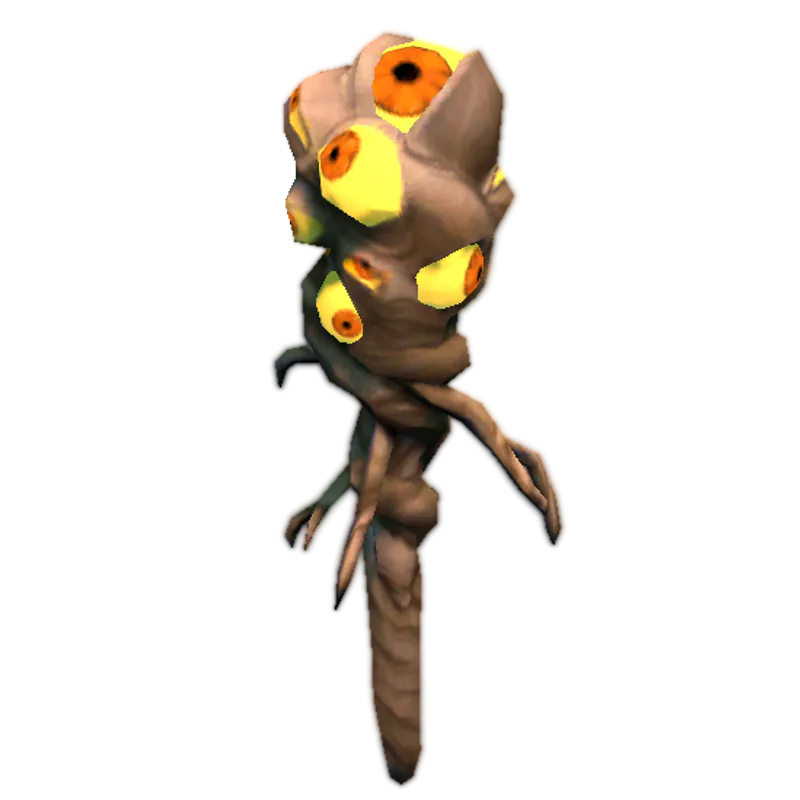
The habit that saves the most deaths is looking at the minimap every few seconds. If you cannot see the enemy heroes, assume they are walking toward you. A missing enemy support is a coming gank; a missing enemy team is a fight about to start somewhere you are not.
Dying, buyback and getting back
Death costs time and gold. Your hero respawns at the fountain after a delay that grows with your level, and the enemy gets gold and experience for the kill. Buyback lets you pay gold to respawn instantly, once per cooldown. It is a late-game decision: a buyback that saves your Ancient wins the match, and a buyback to farm loses it. Teleport and buyback gives the cost formula.
The respawn timer grows with your level, so a death at level 5 costs a few seconds and a death at level 25 costs long enough for the enemy to take a tower or Roshan. That is why the same mistake is cheap in the first minutes and expensive later, and why experienced players fight recklessly early and carefully late. When you die, use the time: watch the fight from your teammates' cameras, buy the items you can afford, and decide where to Teleport when you respawn.
Three rules keep beginners alive. Do not chase into fog. Do not fight without a Town Portal Scroll to leave with. Do not stay in lane when your health is low and the enemy has spells up. Walking back to base to heal loses less than a death does.
Roshan, the large neutral in the river pit, drops the Aegis of the Immortal, which resurrects the holder once. Killing him is a team objective for the mid game, and Roshan explains his pit schedule and drops. Do not walk into his pit alone at any point of the match.
Communication, pings and the pause menu
Dota 2 is a team game, and the team talks through pings, the chat wheel and voice. Alt-click any part of the map to ping it; alt-click an ability, an item or a hero to tell the team its state. A ping on an enemy hero means "look here"; a ping on your own tower means "help me". You do not need voice in your first hours, and you do not need to answer anyone who is angry. Mute a player from the scoreboard when the chat stops helping you, and keep playing your own game. The scoreboard opens on the Tab key by default and also shows every hero's level, items and kills, which is the fastest way to learn who is winning.

Two more items matter to every player, not only supports. A  Sentry Ward reveals invisible heroes and enemy wards near it. When the enemy picks an invisible hero and you keep dying to it, buy one and place it where you fight. Typing GG in chat concedes the match once the team agrees, and it is not something to do in your first minutes of a bad lane. Matches turn around often, and learning to play from behind is half of the game.
Your first ten hours
Play the tutorial, then a few bot matches on the easiest setting with one hero. Practice last hitting until you can take most of the creeps in a wave without a fight. Then queue unranked All Pick with the same hero. Play that hero for at least ten matches before you change. Game modes lists every mode; stay in All Pick and Turbo until you know the heroes.
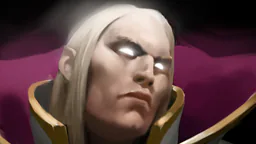
 Invoker is the hero most new players want to try first. He has ten spells combined from three orbs, and playing him well takes hundreds of matches. The same is true of every complexity-3 hero. Pick one when you can already last hit, read the minimap and survive the laning phase on a simple hero.
Ignore the neutral items, Madstones, Aghanim's Scepter and the crafting menu for your first hours. They matter, but a hero with boots and the right core items who does not die matters far more. When you are ready, Neutral items and Madstones explains the whole system. Use the random hero tool when you want to try a new hero within a position you already know, and the counter picker once you start losing to the same heroes.
Expect your teammates to complain. Mute anyone who tilts you and keep playing; the game rewards hours more than talent, and every player you meet was once in your position.
Practice this
- Play three bot matches with one complexity-1 hero. Last hit; do not fight.
- Before every match, buy a Town Portal Scroll. Check the slot every time you respawn.
- Look at the minimap every time you finish a last hit. Count the enemy heroes you can see.
- Learn your hero's four abilities and what its ultimate does at level 6.
- Play position 5 for five matches, then position 1 for five matches.
- Set up quickcast and camera settings from the settings guide before match ten.
- Read the mistakes list after your first losses and pick one to fix per match.
Next reads
- Choosing your first hero — twelve heroes, one per job, with why each one teaches something.
- Understanding the map — every lane, jungle and objective with annotated crops.
- The HUD explained — what every panel on the screen shows and what to look at during a fight.
Heroes this affects


Items this affects
Common questions
How long does a Dota 2 match last?
Most matches run between half an hour and fifty minutes. Turbo mode halves that. A match ends only when an Ancient falls, so there is no clock to run out and no lead that cannot be lost.
Do I need to buy anything to play?
No. Every hero is free from the first match, and every item is bought with gold earned inside the match. Cosmetics change how a hero looks and nothing else.
Which hero should I pick for my first game?
A complexity-1 hero with a simple job: Wraith King in the safe lane, Crystal Maiden or Lich as support, Dragon Knight mid, Axe in the offlane. The first-hero guide lists twelve with the reason for each.
Why do my teammates keep pinging me?
Usually because you are far from where the team needs you, or because you took a creep wave or a kill they expected. Read the map every few seconds and join the team when a fight starts. It gets better with hours, not with talent.
Is it fine to play with bots first?
Yes, and it is the fastest way to learn last hitting and the map without pressure. Play a few bot matches, then move to unranked, because bots never punish the mistakes that real players punish.
When can I play ranked?
Ranked unlocks after a set number of hours in normal matches and a linked phone number. Play unranked until you know every hero's silhouette and what its ultimate does, then calibrate.
Patch 7.41Checked on Sep 15, 2026