Best Carries for Beginners
Eight safe-lane carries that are simple to play and teach the position properly, with what each one is good at, what it buys and what it will punish.
· Patch 7.41
This page was checked against patch 7.41 and the current patch is 7.41f. The explanation still holds, but any number on it may have moved.
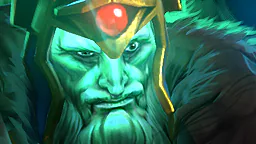
A good first carry is one that lets you spend your attention on the lane and the map rather than on the hero. The eight below all have short skill lists, item builds that do not change much, and at least one ability that keeps them alive while you learn where to stand. Every one of them is rated complexity one by the game itself, and every one of them wins matches at every rank. The carry guide covers the job; this list covers who to learn it on.
- A simple carry is not a weak carry; it is a carry that costs you less attention.
- Your first hero should have an escape, a heal or a second life.
- Pick one and play it twenty times before adding a second.
- Ranged heroes teach lane discipline; melee heroes teach farming routes.
- None of these is a ranking, and the order below is not one.
How this list was chosen
Four filters. The hero is rated complexity one, so the game itself considers it a starting point. It plays the safe lane as a position-one core rather than a flexible one. It survives a mistake in lane without an escape you have to time perfectly. And its item build is stable enough that you can learn one order and repeat it.
| Complexity | Heroes | Examples |
|---|---|---|
| Simple | 55 | Abaddon, Alchemist, Anti-Mage, Axe |
| Moderate | 59 | Ancient Apparition, Bane, Batrider, Beastmaster |
| Complex | 13 | Arc Warden, Brewmaster, Chen, Earth Spirit |
Valve's own complexity rating across the roster.
One filter deliberately left out is how strong the hero is this patch. A hero you are learning will be with you for months, and the patch will move several times in that period; picking for the current Meta is how beginners end up restarting every few weeks. What this list is not is a ranking. No hero here is better than the others, and the tier list guide explains why publishing one would mislead you more than it helped. The hero comparison tool is the right way to check two of them against each other for a specific lane.
What the position asks of you
The Carry farms the Safe lane, converts gold into items faster than anyone else, and decides fights from the twenty-minute mark. Lanes and positions explains where that sits among the five jobs.
Three skills carry the whole position. Last hit reliably and Deny what you can, which Last hitting and denying explains and the last-hitting guide drills. A  Quelling Blade makes the first half of that much easier on a melee hero, and a
 Magic Wand keeps you in the lane while you learn it. Farm on a route rather than in one place, which the farming guide covers. And know your own Timing: the minute your key item lands and you become the strongest hero on the map.
Wraith King
The most forgiving carry in the game, because his ultimate gives him a second life on a cooldown. A mistake that would end another hero's match is a scare here, which buys you the freedom to learn where the limit actually is.
 Wraith King has a stun in Wraithfire Blast, a passive that turns his attacks into a threat, and Reincarnation to undo the death you did not see coming. The stun is also a lane tool: it holds an enemy still long enough for your support to land something, which is how most early kills in the safe lane actually happen. His build barely changes: attack speed, then damage, then a
 Black King Bar when the enemy has disables. Debuff Immunity and dispels explains what that purchase does and, just as usefully, what it does not stop. He teaches farming and positioning without punishing either.
Juggernaut
The hero most likely to remain in your pool five hundred matches from now. Blade Fury makes him immune to targeted magic for its duration, which is both an escape and a way to farm a wave, and Healing Ward keeps him in lane against harass.
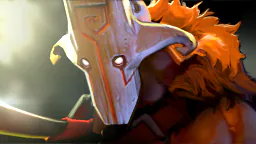
He is also the hero here with the fewest bad matchups in lane, which matters more than it sounds: a beginner who loses the lane badly learns very little, because the rest of the match becomes damage control. Fewer disasters means more matches where the lessons are the ones you were trying to learn.
 Juggernaut is a good teacher because his safety is on a button rather than in his stats. You learn when to spend it, which is the same judgement every carry eventually needs. His Omnislash also rewards the habit of choosing a target before you commit.
Sven
A melee carry with one enormous window and very little outside it. Storm Hammer is a stun that starts fights, Great Cleave makes him one of the fastest wave-clearing heroes in the game, and God's Strength turns him into the largest threat on the map for a short time.
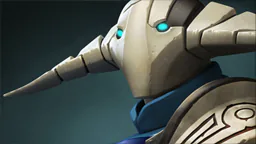
 Sven teaches Power spike better than anything else on this list, because you can feel the moment arrive and the moment end. A
 Blink Dagger and a Black King Bar are the two purchases that make the window usable.
Luna
The ranged option that farms fastest. Moon Glaives bounce between targets, which turns every camp and every wave into a few seconds of work, and Lucent Beam gives her a way to take a last hit she could not reach.
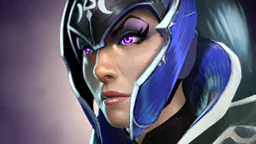
 Luna is fragile and short-ranged for a ranged hero, which is a useful discipline: you learn to stand behind your own creeps because you have to. Her ultimate is also a rare thing on a simple hero, in that it rewards a decision about where to stand rather than where to click.
 Manta Style and a Black King Bar are her usual answers to being caught.
Drow Ranger
The longest attack range among these eight, and the clearest lesson in lane trading. Frost Arrows slow whatever she hits, Gust silences an attacker, and Marksmanship makes her attacks hurt from a distance nobody else can match.
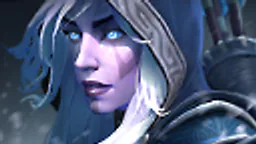
 Drow Ranger has no escape at all, so every mistake in position is immediately obvious. There is no button to undo it and no stat that forgives it, which sounds harsh and is actually the fastest feedback on this list. That is exactly why she teaches well. She is also the hero on this list most dependent on the support beside her, which is a lesson about drafting as much as about play.
Phantom Assassin
A melee carry that does one thing with total clarity: it kills a single hero very quickly. Stifling Dagger lets her take last hits from range while she learns the lane, Phantom Strike is a gap closer, and Coup de Grace is the reason the enemy support buys armor.
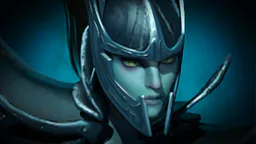
 Phantom Assassin teaches target selection, because picking the wrong hero to jump on is punished immediately. She is also a clear case of a hero whose strength is invisible on the scoreboard: her damage arrives in a burst that either kills somebody or does not, and the net worth column will not tell you which. Evasion, accuracy and critical strike explains both halves of her kit, and why an enemy
 Monkey King Bar changes the match.
Sniper
The longest range in the game with the right talents, and a hero that punishes every positioning mistake the enemy makes. Shrapnel clears waves and reveals ground, Take Aim is the range itself, and Assassinate finishes a hero from outside the fight.
 Sniper is the hero on this list most likely to teach you about the enemy's mobility, because anything with a blink or a jump will find you. He is also the best teacher of how to Kite: attack, step back, attack again, and never let the melee hero close the gap. Attack speed and base attack time explains why his damage scales the way it does, and a
 Satanic or a Black King Bar is the usual answer to being found.
Bloodseeker
A melee core that is simple, fast and durable enough to survive a rough lane. Bloodrage amplifies damage in both directions, Thirst makes him faster as the enemy gets hurt, and Rupture punishes any hero that tries to run.
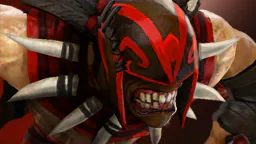
 Bloodseeker is also playable in the mid lane, which makes him a useful second hero if you are not certain which position you want. Playing the same hero in two lanes is a cheap way to learn what actually changes between them, and the answer is usually less than beginners expect. A
 Power Treads start and a Black King Bar later is most of his build.
Two to leave until later
An  Anti-Mage and a
 Spectre are both rated simple and are both bad first heroes, for the same reason: they do nothing for the first twenty minutes and need a very good sense of when the match is safe. A beginner playing either will spend most matches farming while the team loses.
The same caution applies to the  Battle Fury build in general. It is a large purchase that does nothing until it is finished, and on the wrong hero it converts a good lane into a quiet match. Hero complexity and roles explains what the complexity rating measures, and the hardest heroes guide covers the other end of the scale. The random hero tool can filter by complexity and position if you want to widen the pool deliberately.
What to buy while you are learning
The build matters less than repeating it. Pick one order per hero and keep it for twenty matches, so that the only variable left is the match itself.

A workable default for every hero on this list: a survivable start, boots, one attack-speed or damage item, then the situational purchase the enemy draft demands. Power Treads suits most of them. The situational slot is where the thinking belongs, and it is almost always a Black King Bar against a team with several disables.
Two rules about that slot. Buy it before the fight it is for, not after, and buy the answer to what is actually killing you rather than the item that appears in every build. A carry who dies to physical damage does not need magic immunity, and a carry who never reaches the fight needs mobility rather than either.
Practice this
- Pick one hero from this list and play twenty matches on it before trying a second.
- Buy the same starting items and a Comfort pick build every match until it is automatic.
- Count your last hits against the enemy offlaner at the ten-minute mark, every match.
- Carry a
 Town Portal Scroll from the first shop trip onwards.
- Add one camp to your route between waves, then two, then three.
- Compare your Net worth with the enemy core on the scoreboard before every fight.
Next reads
- How to play carry — the full job, lane to late game.
- How to last hit and deny — the drill that decides the first ten minutes.
- Farming patterns for cores — the route that turns last hits into items.
- Best mid heroes for beginners — if the solo lane appeals more.
- Best supports for beginners — the other half of your own lane.
- Choosing your first hero — the same question across all five positions.
Heroes this affects


Items this affects
Common questions
Is a simple carry worse than a hard one?
No. Simple carries win at every level of play, including the top of the ladder. What a complicated hero buys is options, and options are only worth something once the basics are automatic. Learn the position on a hero that lets you look at the map.
Which one should I pick first?
Wraith King if you want the most forgiving version of the job, Juggernaut if you want something that stays useful at every rank, and Luna if you prefer a ranged hero. Any of the three will teach you the same lessons.
Do I need Battle Fury on a carry?
Only on melee heroes who farm with their attacks and have no farming ability. It is a large purchase that pays off over a long match, and buying it on the wrong hero is one of the most common ways a promising carry goes nowhere.
How do I know if the lane is going badly?
Count last hits against the enemy offlaner rather than kills. If they are taking more of the creeps than you are, the lane is lost regardless of the kill score, and the correct response is to take camps behind your tower instead.
When do I stop farming and start fighting?
When your first two core items are finished, when a fight is happening near your own farm, or when the enemy carry is present and yours is stronger. Before that, farming is your job and the team should be told so.
Patch 7.41Checked on Sep 23, 2026