Climbing from Legend to Ancient
Legend and Ancient are won on the clock: your own power windows, the enemy timings you refuse, item timings over item lists, Roshan, and taking high ground.
· Patch 7.41
This page was checked against patch 7.41 and the current patch is 7.41f. The explanation still holds, but any number on it may have moved.

At Legend everyone farms adequately and most people buy wards. What separates this band from Ancient is the clock: knowing the minutes when your team is strongest, forcing the match through those windows, and refusing the fights that happen inside somebody else's window. Skill here is less about execution and more about when you use it. The previous guide was about seeing the map; this one is about reading the time on it.
- Strength in Dota is relative and temporary; a Timing is a minute, not a hero.
- Your job is to force the match through your windows and survive the enemy's.
- Items are a clock. The same item three minutes late is a different item.
- Aegis is a timer that has to be spent on a building.
- High ground is the hardest conversion in the game and the one that ends matches.
What changes at this level
Nothing is free any more. The enemy warded the camp you were going to stack, the enemy support saved the target you burst, and the carry you caught out of position had a  Town Portal Scroll. Advantages now have to be manufactured, and the way you manufacture one is by arriving somewhere at a minute when you are stronger than whoever is there.

The tempo guide is the reference for the whole idea and this guide is how to apply it to a ladder match. Talents and Neutral items and Madstones are the two systems that create windows nobody at this band is tracking.
Know your own window
Every hero has a minute at which it is at its strongest relative to the match. For some that is a level, for some an item, for some the completion of a pair of both. Write yours down for the heroes you play, in words rather than numbers: first major item, first ultimate with the levels to use it, the point where a  Black King Bar makes you unkillable for a few seconds.
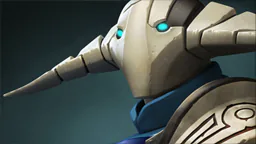
A  Sven with a
 Blink Dagger and his ultimate is a different hero from a Sven with neither, and the difference lasts about a minute per fight. A
 Storm Spirit becomes a map-wide threat the moment his mana pool can carry him to a target and back. A
 Spectre has almost no window until very late and then has a permanent one.
Power spike is the word for the moment itself, and Tempo controller is the word for a hero built entirely out of them. If you play one, you are the clock for the team and nobody else will read it for you.
The useful exercise is to write the windows down before you queue rather than to discover them during a fight. Three lines per hero is enough: the level at which the ultimate changes what you can do, the first item that changes it again, and the minute after which somebody else is stronger than you. Most players can produce the first two and have never thought about the third, which is the one that decides when to stop taking fights.
Know the enemy's window and refuse it
The other half is harder, because refusing a fight feels like doing nothing. It is not. A  Faceless Void with his ultimate up and five team-mates near him is a window you cannot win inside, and the correct response is to be somewhere else and take something.
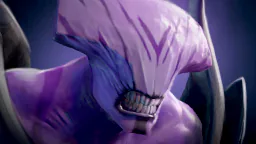
Three questions tell you whether the window is theirs. Is their initiator alive and holding his ultimate. Do their cores have the item that beats your combination. And has their carry just finished something. If any two are true, split the map instead: push a lane, take camps, threaten a second building and make them choose.
Debuff Immunity and dispels is the mechanical half of this and the BKB guide is the decision tree. An enemy team whose damage arrives in one Burst is answered by a  Pipe of Insight or a
 Crimson Guard far more cheaply than by a fight you win narrowly.
Items are a clock, not a list
At Legend most players buy the right items. What they do not do is buy them for a minute. The build that appears on every guide page is an ordering that assumes an average match, and your match has a specific fight coming at a specific time.

Two habits change this. Before you buy, ask what fight the item is for and when that fight is. And when a fight is coming and the item is close, stop and finish it rather than farming one more camp. Arriving with a part of an item is the same as arriving without it.
The Neutral items and Madstones schedule is a set of free windows that almost nobody at this band plans around. Each tier unlocks on a clock, and a team that crafts at the unlock rather than ten minutes later has five heroes slightly stronger for that whole period. The neutral item reference lists what each tier offers, and the itemization guide covers choosing between them.
 Boots of Travel deserves a line of its own. It is the item that converts a farming lead into map pressure, and at this band it is bought several minutes after the point where it would have won the match.
The same is true of the cheap answers. A support who buys the item that protects the core, rather than the item that makes the support stronger, is buying a window for somebody else. That is the correct purchase and it is the one that feels worst, which is why it does not get made.
Roshan is a timing
Roshan and the Roshan guide cover the pit itself. The mistake at this band is treating the kill as the objective. The Aegis is a timer on one hero, and a timer that expires without a building falling was a waste of everybody's time.
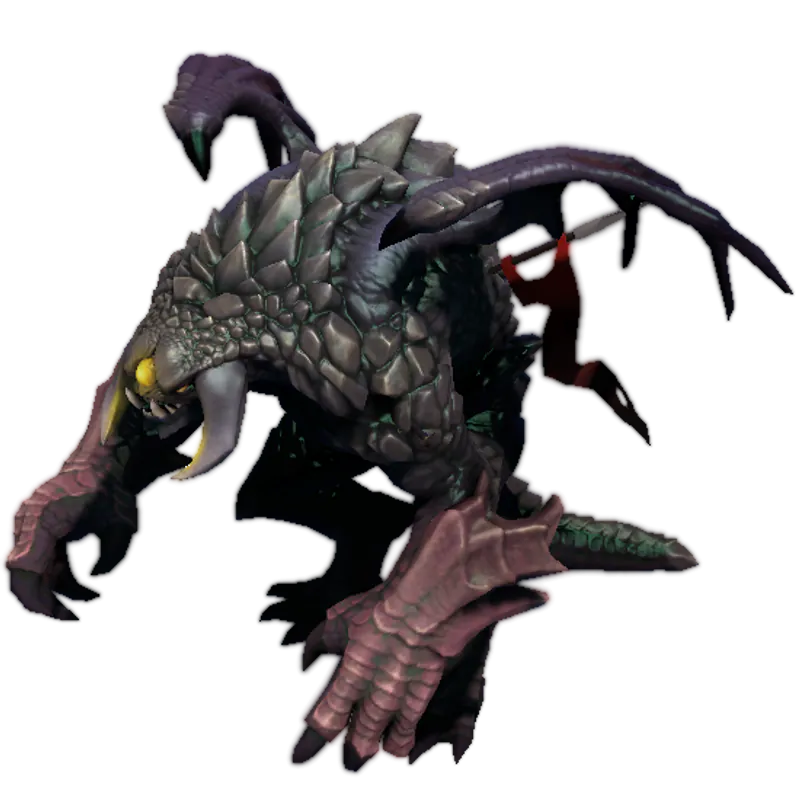
The sequence that works is short. Take the pit when you have vision of it and the enemy cannot contest. Give the  Aegis of the Immortal to the hero who has to walk in first. Then use it on a tower or a barracks immediately, while the respawn timers you created are still running. Tormentor is worth the same treatment: the shard it hands out is a window for whichever support did not have one.
The respawn is a range rather than a time, which matters for planning: the earliest the pit can be occupied again is not when the next attempt should be made, and the latest is when it becomes a certainty. Count from the kill, and treat the later end of the range as the real number when you are deciding whether to contest.
The defensive version is worth as much. If the enemy took the pit and you could not stop them, the clock is now running against you and the answer is to force a fight before the timer is spent. A team that hides for the whole duration has given the enemy free use of the thing they bought.
High ground
Taking High ground is the hardest thing a team does, and it is where the matches at this band are actually won and lost. High ground and uphill miss explains why attacking uphill is a losing trade and Buildings covers what protects the base.
Three conditions make the attempt reasonable. A clear Net worth lead, at least two of their key heroes dead or without Buyback, and a creep wave arriving with you. Teleport and buyback is the page behind the second one, and it is the condition most teams skip.
If the attempt fails, the recovery is the same every time. Do not throw a second wave of heroes into it. Walk out, take the outer buildings you skipped, and wait for the next window. A failed high-ground attempt that becomes a Throw has cost the match; one that costs a minute has cost a minute. Mega creeps are what the patient version eventually buys.
Have a plan and say it
A draft at this band should produce a sentence, and the sentence is the team's Win condition. "We are stronger between minute twenty and minute thirty-five." "We have no late game, so we take towers early." "Our carry wins any match that reaches minute fifty."
| Roles | Heroes | Share of roster |
|---|---|---|
| Disabler | 95 | 74.8% |
| Nuker | 89 | 70.1% |
| Carry | 72 | 56.7% |
| Initiator | 55 | 43.3% |
| Escape | 53 | 41.7% |
| Durable | 50 | 39.4% |
| Support | 48 | 37.8% |
| Pusher | 29 | 22.8% |
How many heroes carry each role, out of the full roster.
The team composition guide covers building a draft that has one. What this guide adds is the habit of saying it out loud in the first minute, because a plan that only one player knows is not a plan. A  Enigma who tells his team he is holding his ultimate for the high-ground push gets a team that holds theirs too.
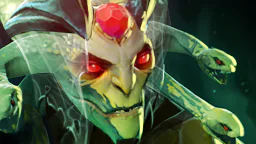
A  Medusa draft and a Sven draft want opposite matches. The hero comparison tool is a quick way to see which of two candidates fits the plan you have rather than the one you would like.
Role discipline and the fifth job
The other thing Ancient players do that Legend players do not is keep the promise they made in the draft. At this band a support who drifts into the safe-lane jungle at minute twenty-five does not lose the lane; he loses the vision, the stacks and the save that the plan was built around.

The job does not stop when the laning phase does. Somebody is still buying vision, somebody is still carrying detection, and somebody is still holding the Save for the core who has to walk in first. A team where all five players have quietly become cores is the most common losing draft at Ancient, and it never appears in the pick screen.
If you play a core, the useful version of this is the opposite discipline: do not take the farm your supports are creating for the other core, and do not take a fight your position is not for. The team composition guide describes what the five jobs add up to; the habit is simply doing yours for the whole match.
Read the scoreboard, not the kill score
The kill score is the least informative number on the screen. Open the scoreboard instead and read it by position: your core against their core, your supports' items against theirs, and the respawn timers.

That reading answers the only tactical question that matters at this band: is this a window, or is it theirs. A team ten thousand ahead that is losing fights has a positioning problem; a team level in Net worth that keeps winning fights has a Save the enemy has not accounted for.
Check it before every major decision: before a pit attempt, before a high-ground push, before answering a fight on the far side of the map. It takes two seconds and it is the closest thing this game has to a scoreboard that tells the truth.
The habit also protects you from the most expensive emotion in the game, which is the feeling of being behind when you are not. A team that has lost two fights and is still ahead in items should be taking the next objective, not defending its base. The numbers are on the screen and they disagree with the feeling more often than they agree with it.
Practice this
- Write down the window for each hero in your pool, in words, before your next session.
- Type your item timing in chat when it is one camp away, in ten matches running.
- Before each pit attempt, say which building the Aegis is being spent on.
- Refuse one fight per match that is inside the enemy's window, and take something instead.
- Open the scoreboard before every major decision for a full match and note how often it changed your mind.
- Review one loss and mark the minute where your window opened and what you did with it.
Next reads

- Tempo, timings and power spikes — the full theory this guide applies.
- Roshan control — vision, the pit and who takes the Aegis.
- Climbing from Ancient to Divine — the band where the margins get thin.
- Map control and objectives — converting a window into a building.
- When to buy BKB — the single most timing-sensitive purchase in the game.
Heroes this affects






Items this affects
Common questions
What is a timing, exactly?
The minute at which your hero becomes stronger than it was, usually because an item or a level arrived. It matters because strength in this game is relative and temporary: the same hero is ahead at minute twenty and behind at minute thirty against a carry who is still farming.
How do I know when my team is strong?
Open the scoreboard and compare net worth by position rather than by total. If your core is ahead of theirs and your supports have their key items, the window is now. If the numbers are level, the team with the better late game should be refusing the fight.
We take Roshan and lose the match anyway. Why?
Because the Aegis was the plan rather than a tool for one. An Aegis is a few minutes of a free mistake for one hero, and it has to be spent on a building. A team that takes the pit and then goes back to farming has bought a timer and let it run out.
When should we take high ground?
With a lead in net worth, with the enemy's key heroes dead or without buyback, and with a wave in front of you. Two of the three is usually not enough, and the cost of getting it wrong is the match rather than a tower.
Should I buy the standard build or adapt?
Start from the standard build and change the order, not the contents. At this band the common error is not buying the wrong item; it is buying the right item three minutes after the fight it was for.
My team never groups. What do I do?
Announce the window rather than asking for one. Typing the minute you will have your item, and then typing that you have it, moves more players than any request to group does. People follow a plan with a time on it.
Patch 7.41Checked on Sep 23, 2026